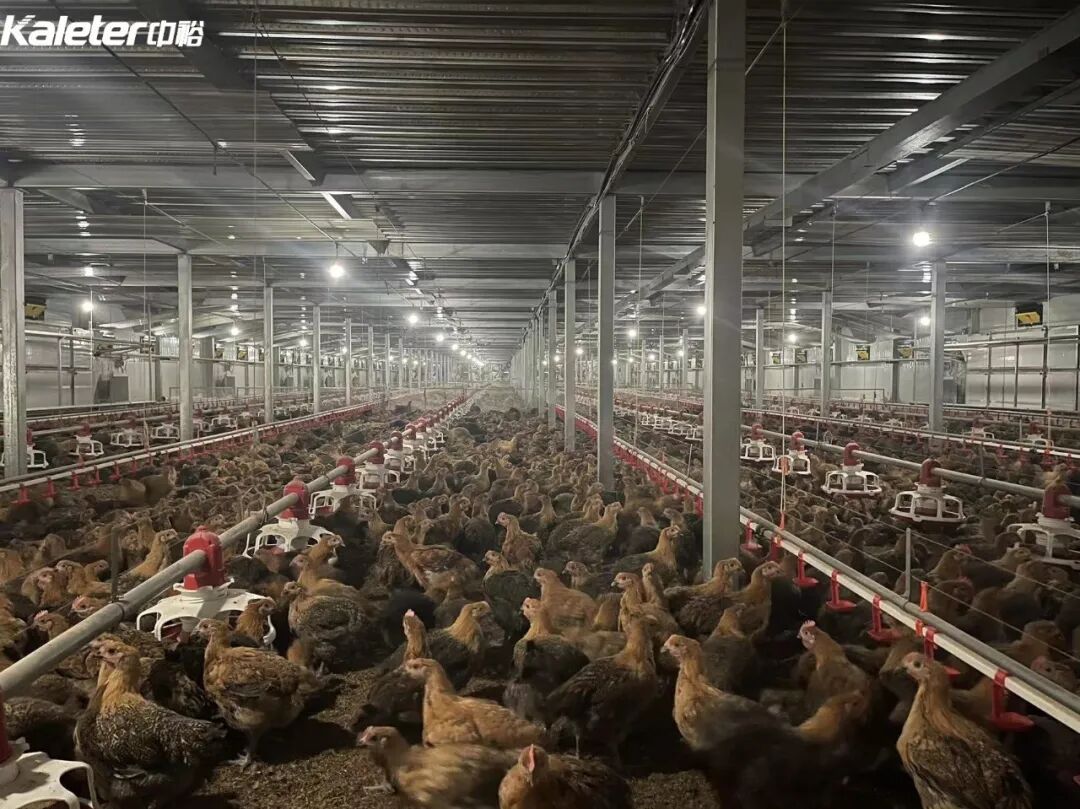
Zhucheng, in Weifang, Shandong, is where agricultural industrialization in China began, and the city has been a reference point for farm reform ever since. Building on that head start, Zhucheng has concentrated on two core livestock sectors, broilers and hogs, and it now holds the national ranking as the country's leading county for animal husbandry.
In recent years the city has worked on those two core sectors across the whole chain that serves them, upgrading every stage and adding value along the way. What has come out of it is a modern livestock industry led by large anchor companies, with a complete supply chain and a cluster of businesses around it. In June this year Zhucheng was named to the national list of agricultural modernization demonstration zones on the strength of its food industry cluster, which is built on broilers and hogs.
Breeding, multiplication and distribution in one chain
Back in the 1980s and 1990s, working to earn foreign exchange through exports, Zhucheng Foreign Trade moved first and changed how it operated. It focused on broilers and introduced a company plus base plus farmer arrangement, which brought scattered smallholder flocks into a standardized, market-driven, large-scale system. That made it a pioneer of agricultural industrialization in China. After several decades of steady development, the company now runs breeding, multiplication and distribution as one integrated chain, and its level of modernization and automation leads the industry.
Inside a food industry park built with 1.5 billion yuan of investment, automatic cutting lines and tunnel freezers run at full speed. Automation covers 95 percent of the core production steps and has brought labor costs down by 40 percent. The company's own traceability system covers 48 production steps, from chick rearing through to finished product leaving the plant, and consumers can scan a code to look up more than 120 pieces of product data. Its products hold eight major international certifications. Starting from contract farming and its own commercial farms, the business now has annual sales above 32 billion yuan and employs 15,000 people, and its broiler exports to the European Union account for a quarter of the national total.
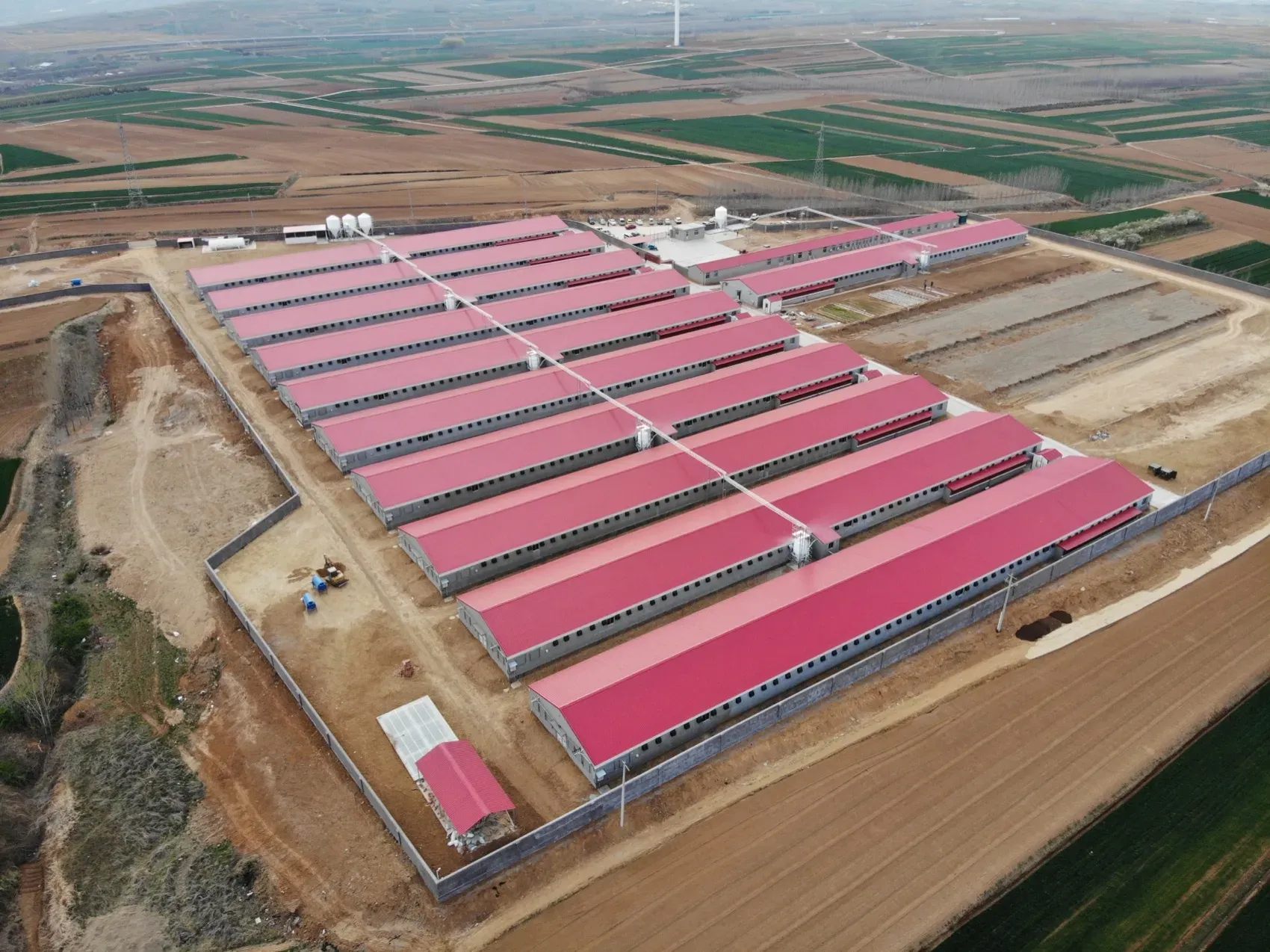
Across the city as a whole, livestock production has moved a long way towards scale, standardization and improved genetics. Zhucheng has built 41 modern breeding centers for livestock and poultry, and has brought in genetics including American great-grandparent breeding pigs and American AA+ grandparent breeder chickens. That gives it a complete grandparent to parent to commercial breeding structure for white-feathered broilers, with improved-breed coverage above 95 percent. On that base, Zhucheng has been named a major hog-supplying county nationally for 20 years running, and has also been recognized as a model county for the whole hog production chain and one of the first national demonstration counties for green development in animal husbandry. Every broiler operation in the city now farms at commercial scale, and two full-chain companies each handle more than a hundred million birds a year, Zhucheng Foreign Trade and Shandong Xianrun. The city's broiler cluster has been named a national advantage industry cluster.
Wang Meng, deputy mayor of Zhucheng, said the city has kept integrated breeding, multiplication and distribution at the center of its approach, and that this has given the sector real advantages in both scale and clustering. The city now has 11,000 livestock and poultry farms. It markets more than 1.2 million hogs and more than 200 million broilers a year, with annual slaughter capacity of 7 million hogs and 500 million broilers, and the total output value of the livestock chain has passed 60 billion yuan.
Anchor companies pull the supply chain together
Years of steady work have made livestock production part of how the city itself develops, with farming, processing and supporting industries all connected in one working ecosystem.
On the farming side, Zhucheng has built 4 provincial smart livestock application bases, 3 standardized demonstration farms at provincial level or above, and 12 ecological smart farms, which puts it near the front of the province for facilities of that quality. Companies such as Zhucheng Foreign Trade and Delisi have brought 1,046 commercial-scale farms into their networks across the city. Zhucheng's primary livestock output value is the highest in Shandong and among the highest of any county in China.
On the processing side, the city has 771 food processing companies, 88 of them above designated size. Slaughter operations have moved on from basic processing into deeper processing and higher value-added products aimed at consumer markets across the country. Zhucheng has ranked second on the national top-100 list of prepared-food production bases for two years running, it is a national demonstration zone for food industry clusters, and it holds the largest national market share in chilled meat products and quick-frozen prepared foods. Delisi Group, founded in Zhucheng in 1984, has worked in food processing for decades. It listed on the Shenzhen Stock Exchange in 2010, runs five production bases around the country, and now covers breeding, hog production, slaughter and processing, meat product development and biotechnology.
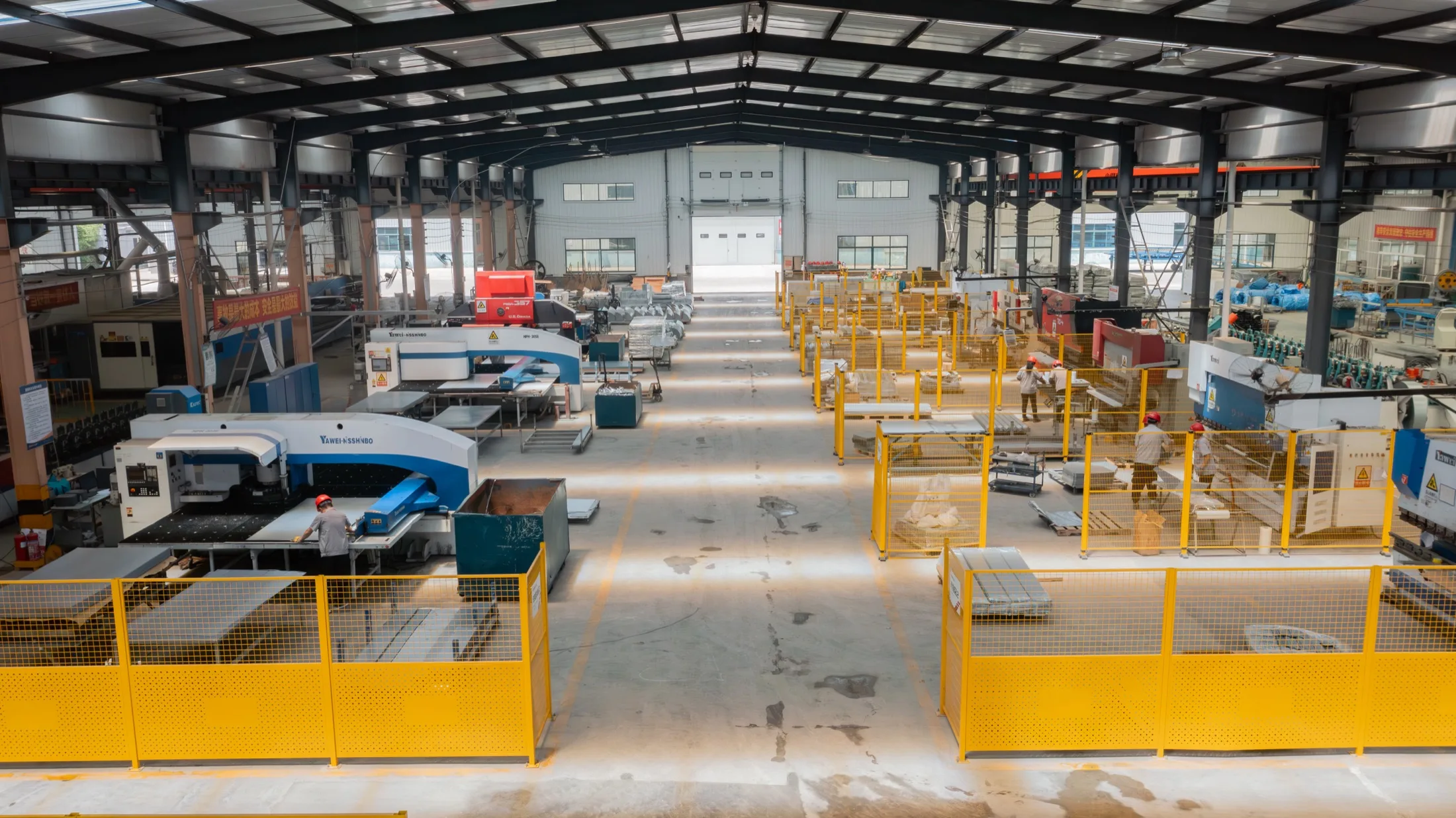
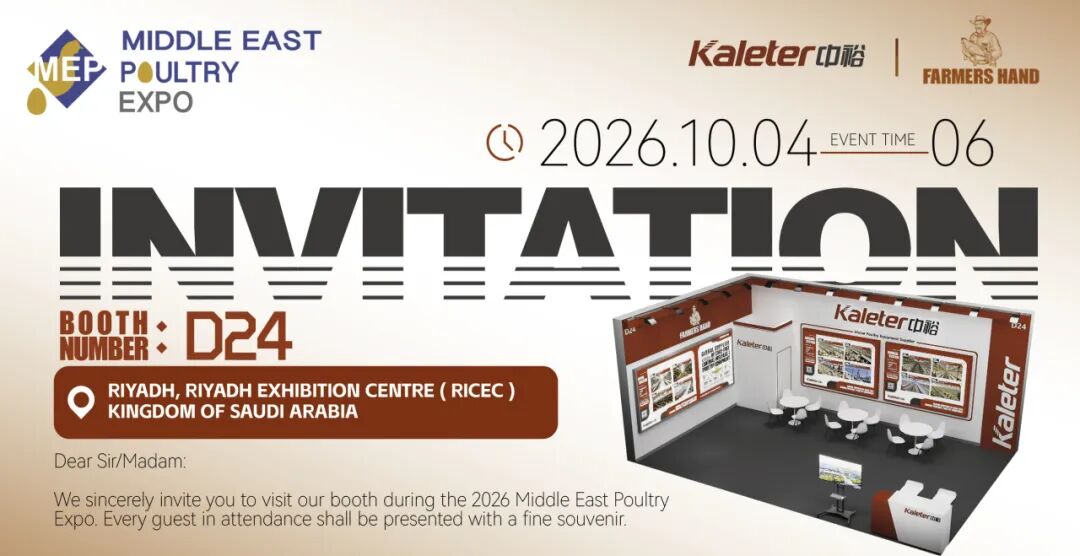
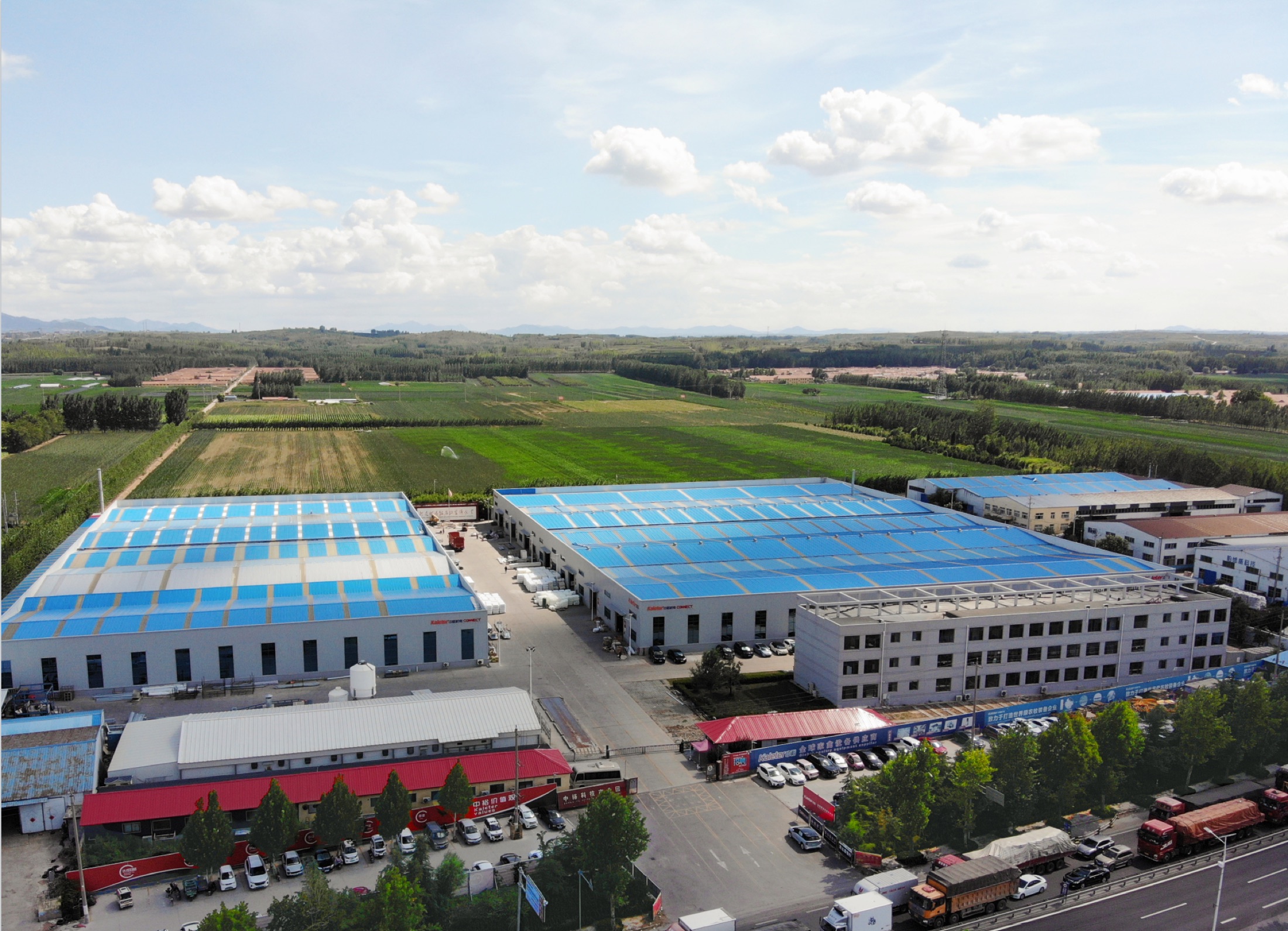
On the supporting side, Zhucheng has assembled a full set of suppliers to the livestock industry. There are 15 large manufacturers of livestock and poultry processing equipment, more than 40 farm machinery companies, and more than 700 food machinery companies. The city supplies more than 40 percent of the poultry processing equipment sold in China and is the largest production base for that equipment in the country. Among those companies is Zhucheng Zhongyu Electromechanical Equipment, founded in 2008, which is the plant that builds Kaleter equipment. Its work covers four areas, floor raising, cage systems, AI, and house environment, spanning the full equipment value chain, and its products sell across China and in more than 50 countries and regions. Also based here is Sinder Technology, which has spent 26 years developing animal biological products and ranks near the top of its segment nationally.
Between the anchor companies, the supporting suppliers and the cluster around them, Zhucheng has ended up with a complete and largely self-contained livestock industry. More than 80,000 people now make a living from it, and it has become one of the main drivers of the local economy.
National research platforms
Platforms matter when an industry is trying to move upmarket. Zhucheng is home to the only national innovation center in China for livestock and poultry processing quality standards. Set up jointly by the Ministry of Agriculture and Rural Affairs and the Shandong provincial government, it opened in April 2021 and works across the whole livestock chain on standards development, verification and assessment, training, and putting research results into practice. Its aim is a quality standards system that fits the industry as it actually operates and lines up with international practice.
The center has an expert committee of 61 specialists, led by Shen Jianzhong of the Chinese Academy of Engineering. It has led work on one international standard and taken part in drafting or revising 26 national, industry and local standards. The international one is an ISO standard covering chicken processing procedures, and it is the first ISO standard in poultry processing to be led by China.
That work has helped move the local industry towards more standardized and higher-end production. Zhucheng now has 26 research platforms at provincial level or above, and 4 nationally recognized leading agricultural companies in livestock, which is more than any other county in China. It has also led the formation of several national industry bodies, including an alliance for the livestock and poultry processing sector.
Local companies have kept producing results of their own. Delisi has built 4 national research platforms and won a second-prize National Science and Technology Progress Award. Sinder Technology was the first in the world to produce a highly pathogenic avian influenza vaccine using large-scale cell suspension culture, and it built China's first GMP production lines for that vaccine and for spleen transfer factor.
A complete supply chain, solid research capability and a workable business environment also pull new companies in. Shandong Xianrun Food came from Yantai and set up in Zhucheng in 2019. Company president Wang Shouheng said the complete local supply chain, the supply of skilled technical staff and favorable terms for setting up meant the business grew quickly, building a full broiler chain handling more than a hundred million birds within a few years. He said it showed how much strength and potential Zhucheng has as a base for the industry.