Change and Opportunity in the Small White-Feather Broiler Industry
In December 2025, the China Animal Husbandry Association led the drafting of a group standard called Broiler Classification. It divides broilers into four types: white-feather broilers, yellow-feather broilers, small white-feather broilers, and spent laying hens.
Five small white-feather broiler strains have now passed national approval: WOD168, Wode 158, Yisheng 909, Yisheng 817, and Guanghong No. 3. Three more new breeds have applied for approval. They come from Guangdong Wens, Guangdong Lewang, and Anhui Biaowang Agriculture and Animal Husbandry. All three breeding companies have reported their 2025 grandparent stock inventory.
With more breeds available, comparing them has become difficult. After repeated discussion, the industry now sorts small white-feather broilers into three classes by body weight at six weeks. Birds at 1.8 kg or more are large. Birds from 1.6 kg up to 1.8 kg are medium. Birds under 1.6 kg are small.
Survey and monitoring data put national commercial day-old chick sales in 2025 at 2.639 billion. At a 96% survival rate, that means 2.533 billion birds went to market, up 2.26% from the year before. The average market weight was 1.43 kg. At a semi-eviscerated yield of 81.20% and a fully eviscerated yield of 69.70%, the semi-eviscerated weight is 1.16 kg and the fully eviscerated weight is 1 kg.
In Thin-Margin Times, Equipment Is a Second Source of Profit
These figures show how thin the margins are. A commercial day-old chick earns an average profit of only 0.1 yuan. Live birds earn only 0.04 to 0.34 yuan per kilogram, depending on size. Thin margins are now normal in the industry, and competition has moved from market timing to efficiency. Whoever lowers costs and raises quality will hold their ground. This is where equipment makers can help.
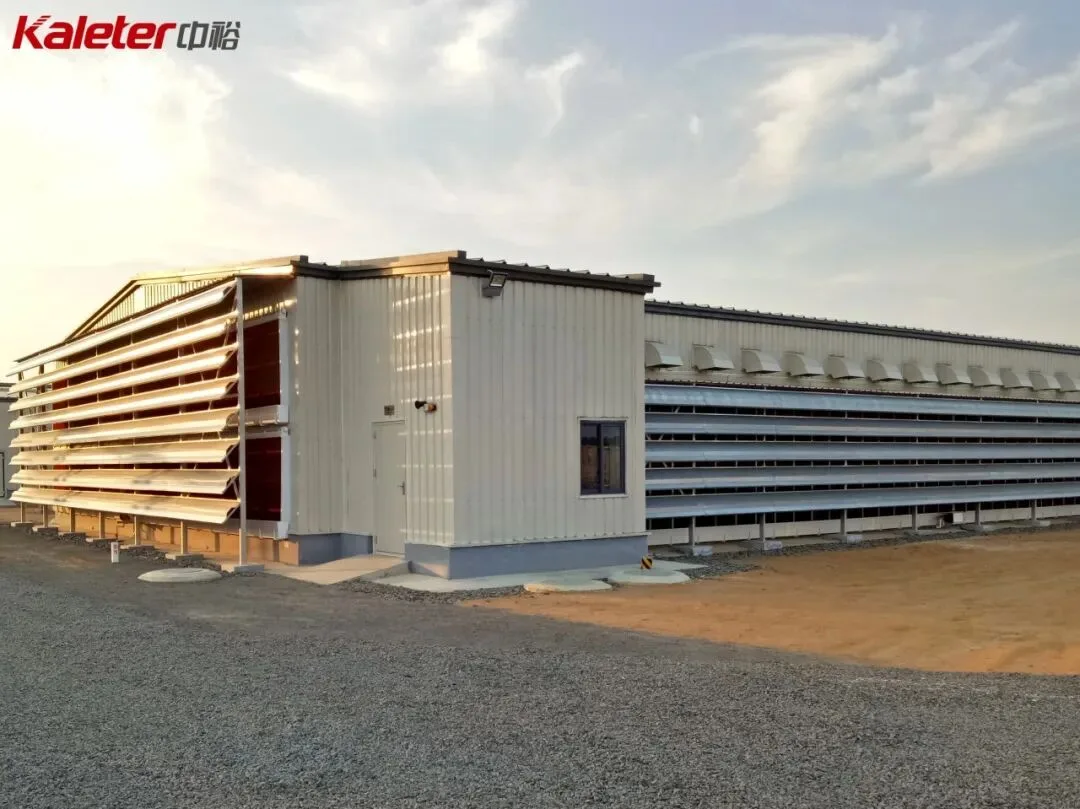
Zhucheng Zhongyu Electromechanical Equipment Co., Ltd. (Kaleter) was founded in 2008. It is a global poultry equipment supplier that covers farming process design, product development, manufacturing, equipment installation, and after-sales service. For broiler production, Kaleter helps in three areas.
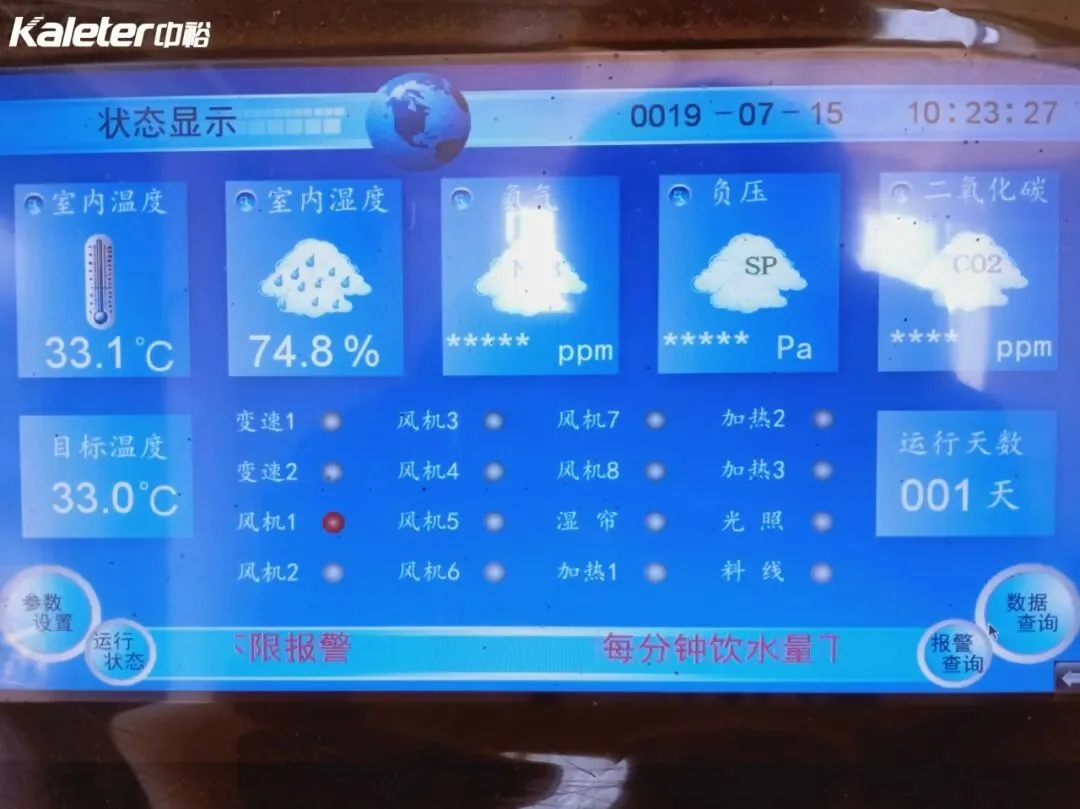
First, the house environment. Kaleter's environmental control system uses real-time monitoring data and smart algorithms to analyze conditions automatically. It then coordinates ventilation, cooling, heating, humidification, and dehumidification equipment to keep the house in the range where broilers grow comfortably.
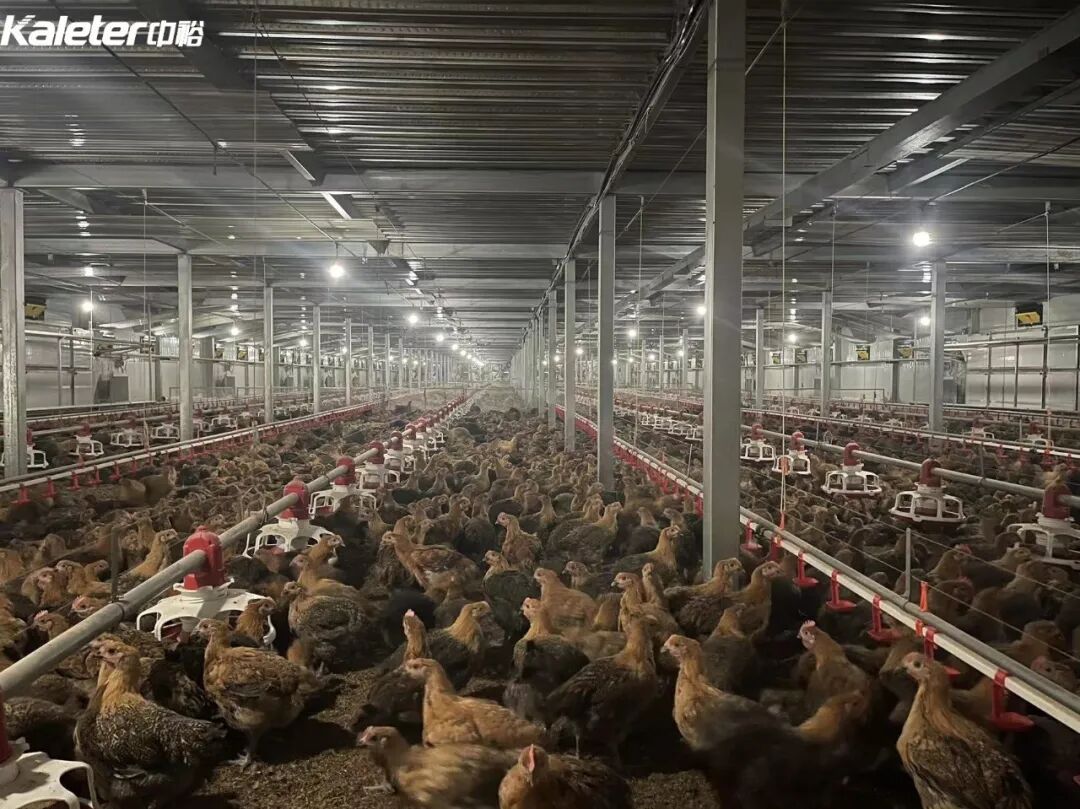
Second, feeding. The automated feeding system frees workers from repetitive tasks. Combined with a well-planned feed line layout, it lets every bird eat evenly and reduces feed waste.
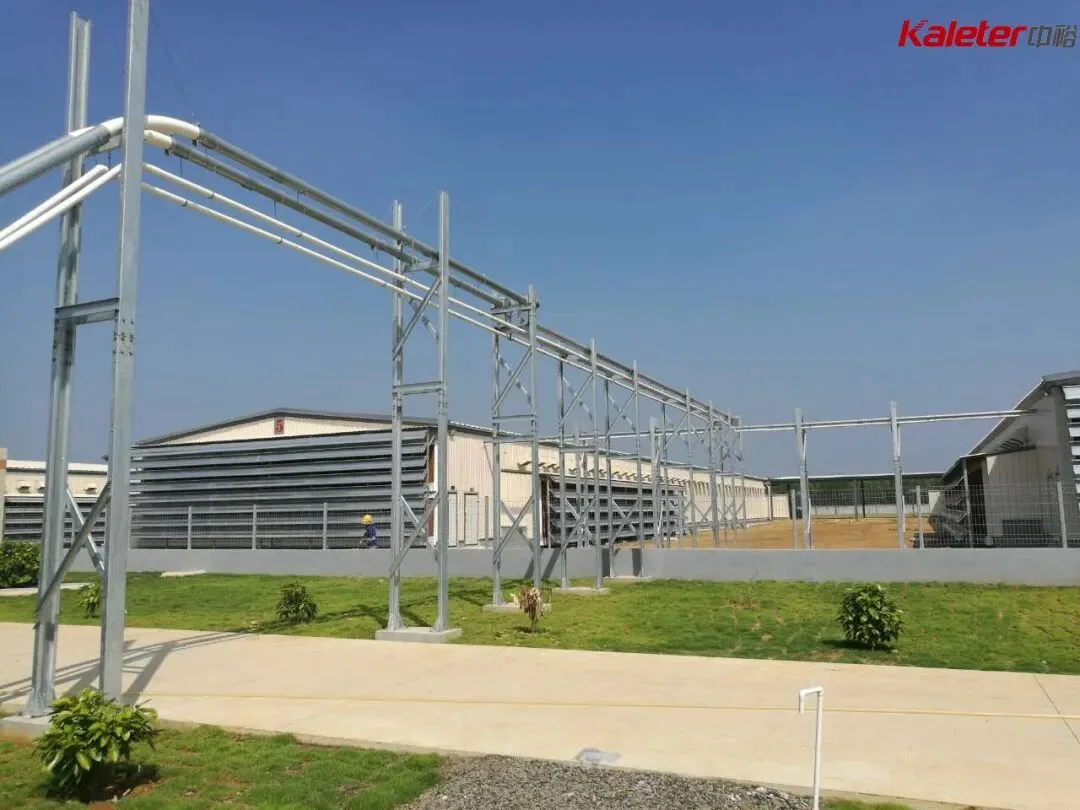
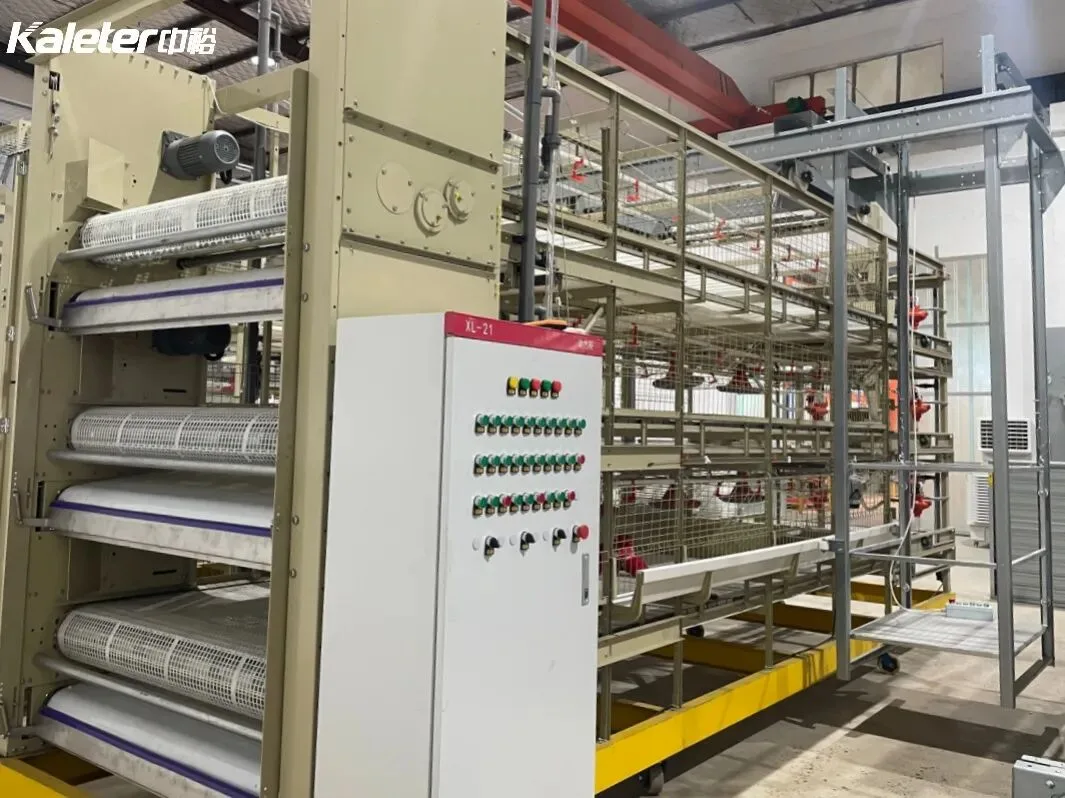
Third, catching birds at market age. Kaleter's broiler cage equipment removes manure automatically through the slatted floor, and its automatic bird removal system delivers the birds straight onto a conveyor belt. This greatly reduces catching time and labor.
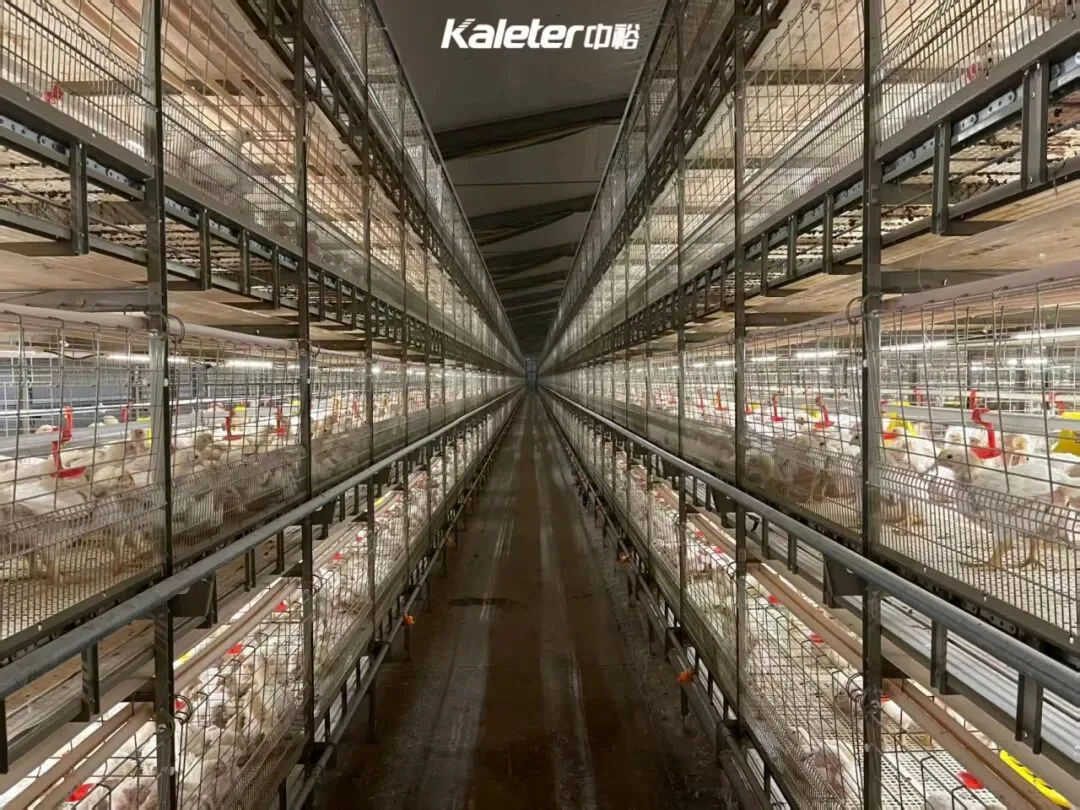
The future of the industry belongs to efficiency, and the answers are found in every poultry house.