Small-scale poultry keeping in China is changing shape. The untidy backyard flock is giving way to something more organized, and courtyard production is being rebuilt around compliance and quality rather than convenience. It is not going back to the old smallholder model, and it is not replacing commercial-scale farming either. It sits alongside it, as a supplement.
Part of what is driving that is a rural development program known as "three edges and a yard," which encourages small-scale production on land that would otherwise sit idle: the edges of fields, the edges of woodland, the edges of ditches, and unused courtyards. It was proposed by Kang Xiangtao of the Chinese Academy of Engineering in 2023, adopted as local policy in Gushi, Henan in early 2024, and has since been taken up in a number of provinces.
What the program offers
Land use is straightforward. It applies only to courtyards, woodland, field margins and ditch corners, and needs a simple filing at village level. No construction approval is required.
Grants and low-interest agricultural loans are available to farm households and can be combined, which brings the cost of starting down.
Environmental compliance is built into the design. Rotational grazing and returning manure to the land on site are both encouraged, so there is no discharge and no odor problem, and inspections are straightforward to pass.
Technical support and sales are both covered. Township livestock stations give disease-prevention advice at no charge, and cooperatives handle the route to market.
Where traditional courtyard coops fall short
A fixed coop cannot be moved, so bacteria build up in the ground underneath it. Birds get sick more often and medication costs climb.
Manure accumulates and smells, which is where most environmental trouble starts.
A self-built shed costs labor and materials, cannot be reused, and has to be rebuilt from scratch if the site changes.
Space is fixed and movement is limited. Laying is less consistent and bird quality suffers.
Cleaning and feeding are done by hand, which takes more time than a flock that size justifies.
The family mobile house
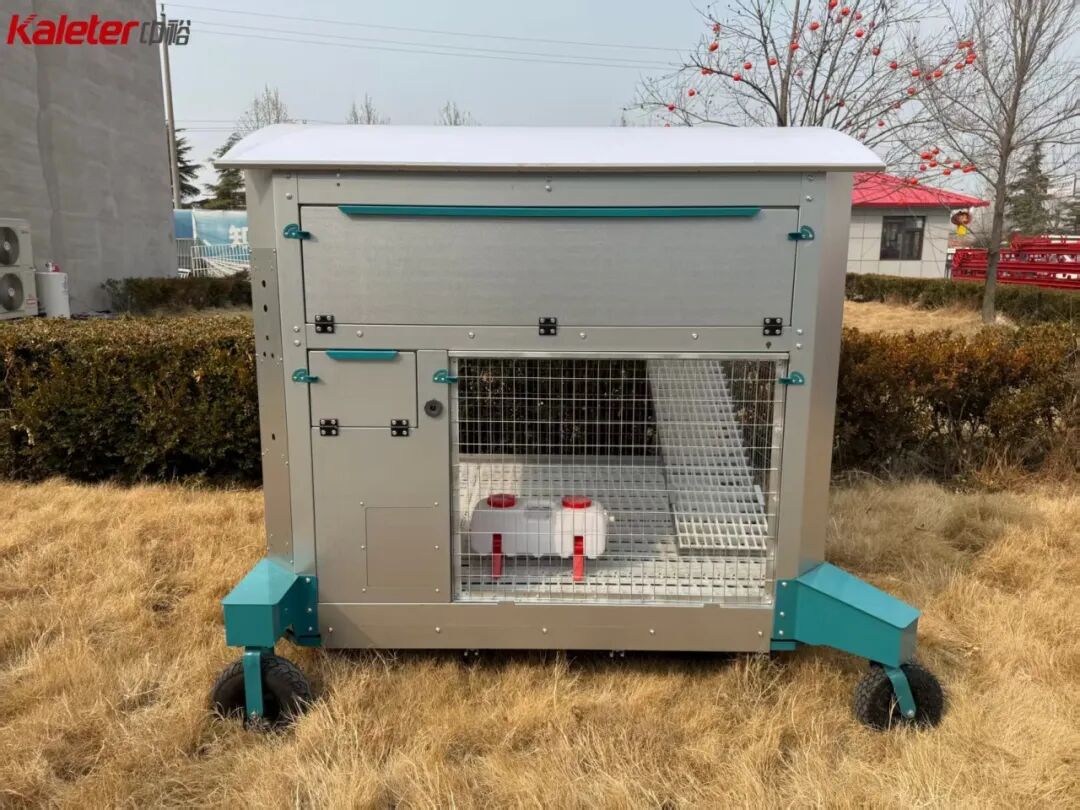
The family mobile house is one integrated unit: movable, with its own controls, and designed around the problems above. The structure is modular and moves as a whole, so it can be relocated between cycles or as ground conditions change. That is what makes the manure-to-land loop work in practice rather than on paper.
One unit holds 40 birds. It comes with manure removal, feeding equipment, nest boxes, a ladder and perches, and the settings adjust to the age of the flock. It is built to welfare standards, which shows up in both the growth environment and the quality of what comes off it, and it gives a very small operation a route to producing to a standard.
Four other units suit the same kind of site.
Courtyard tunnel house
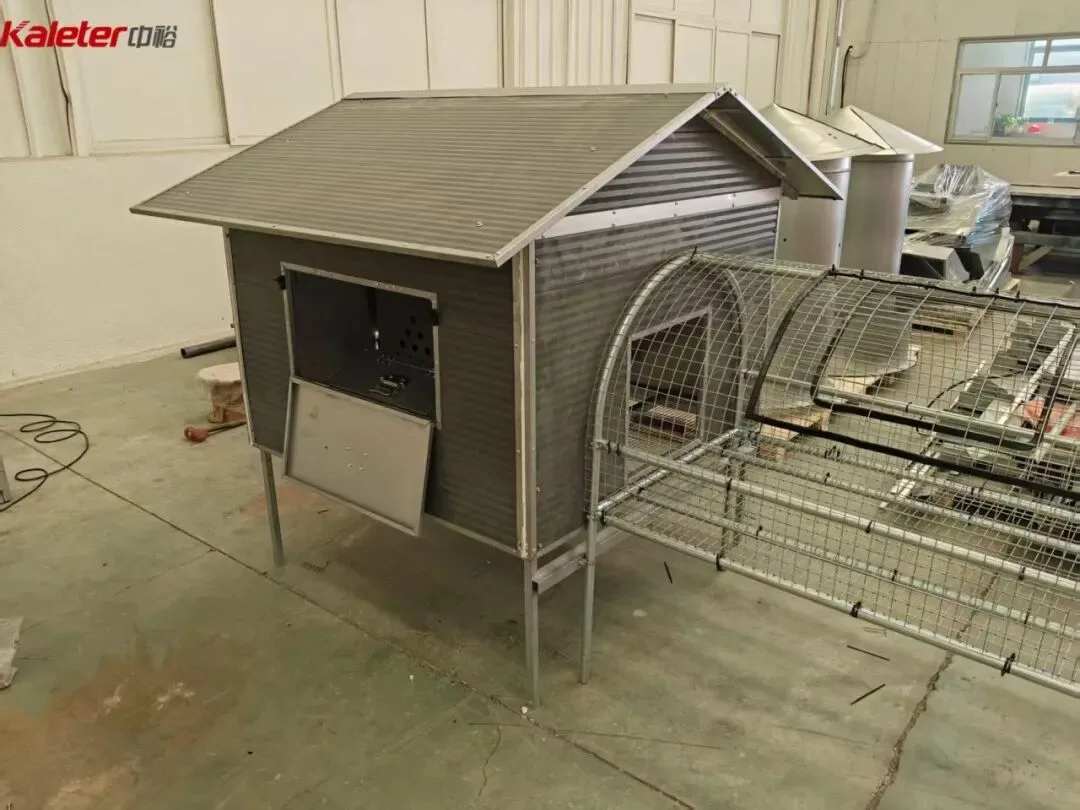
The wire tunnel can be extended and turned, so a run can be laid out to fit the ground available. The top mesh can be swapped for assembled plastic netting, which lowers the cost and makes it easier to put together.
It has a simple feed bin and small nest positions built in, with openings left for feeding, catching birds and clearing manure.
It works off the natural environment, with a simple fan available as an option. Colors can be changed and an imitation-grass roof fitted. It holds 30 birds.
Two-storey movable cage-free house
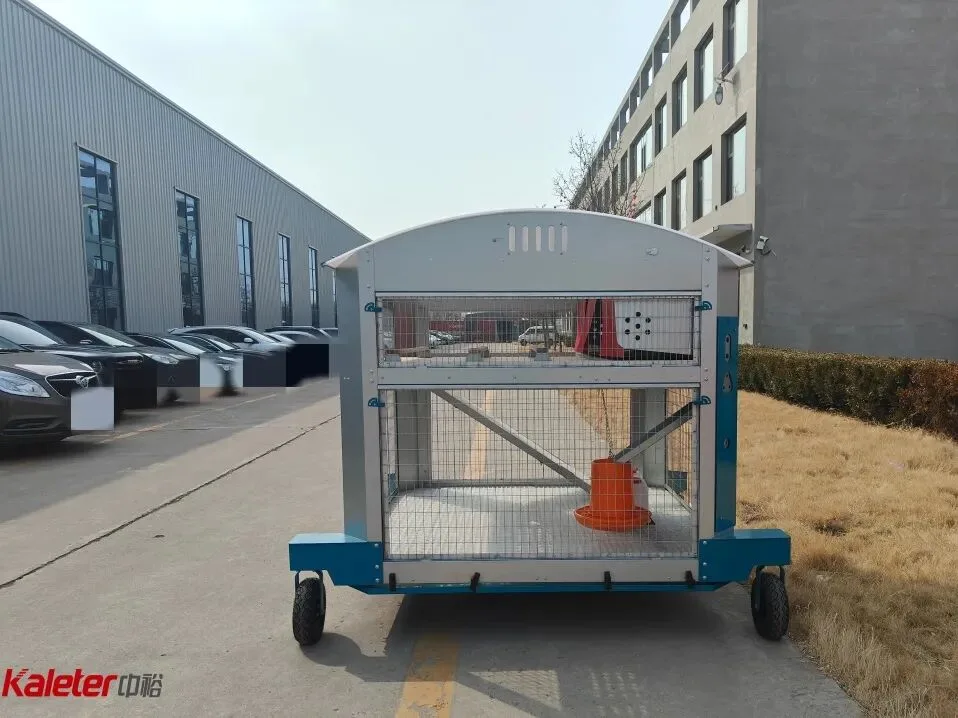
Hot-dip galvanized square tube frame with thickened insulated sandwich panel. Water line, feed line, manual nest boxes, lighting, ventilation, solar power and perches all come as standard.
Full rubber tow wheels can be fitted, or left off to bring the cost down. It suits courtyard and woodland sites, and holds 100 birds.
Single-storey floor-raising movable house
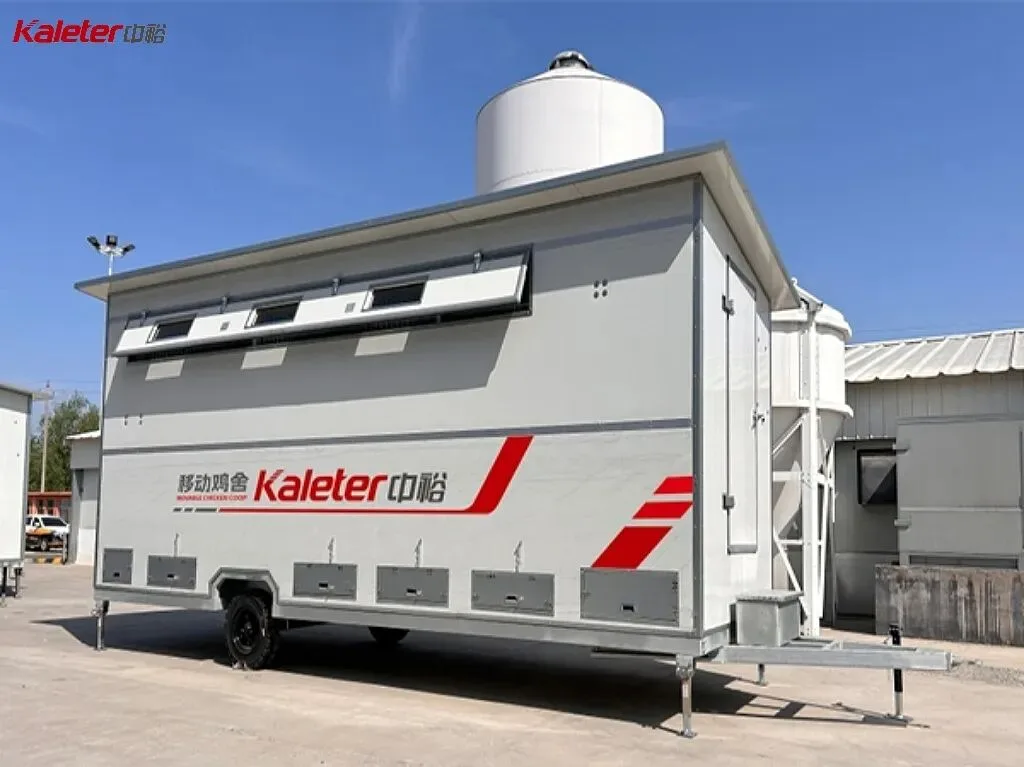
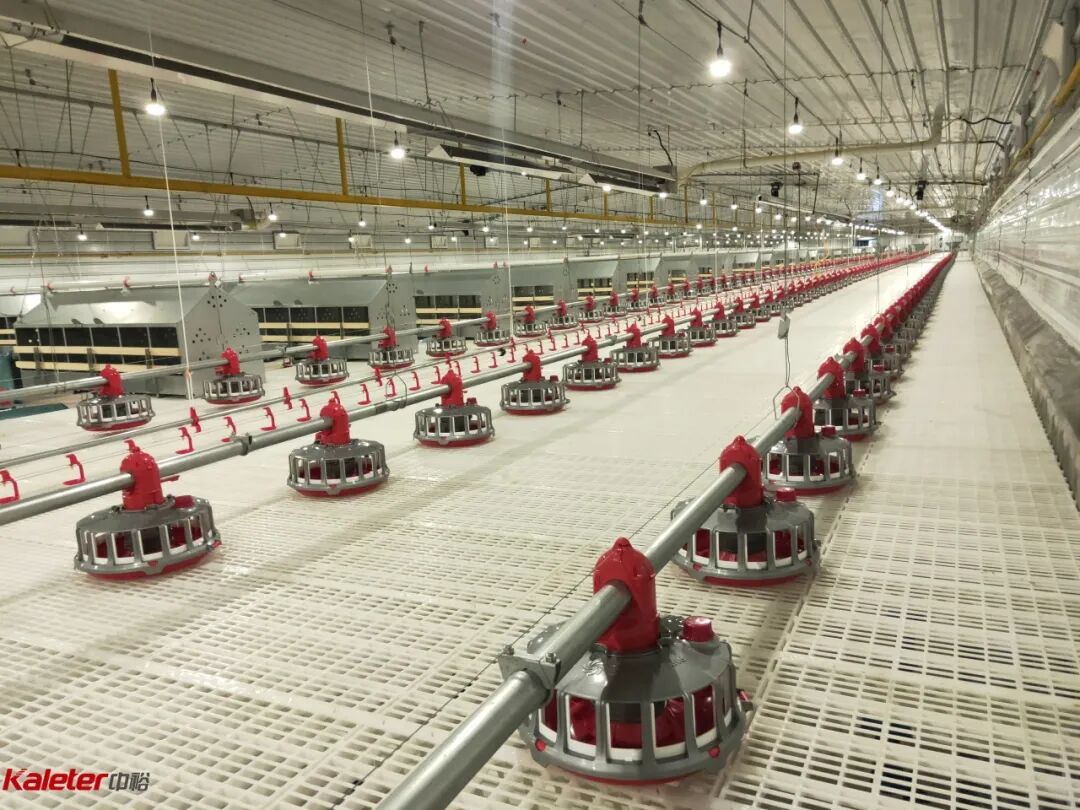
A 50 mm insulated panel body, with automatic feeding, temperature-controlled ventilation, fans and cooling pad, automatic egg collection and manure removal.
Welfare doors and ventilation windows are fitted. Wheel sets or fixed supports are both available, and the level of automation suits a larger courtyard operation. It holds 300 birds.
Multi-tier floor-raising movable house
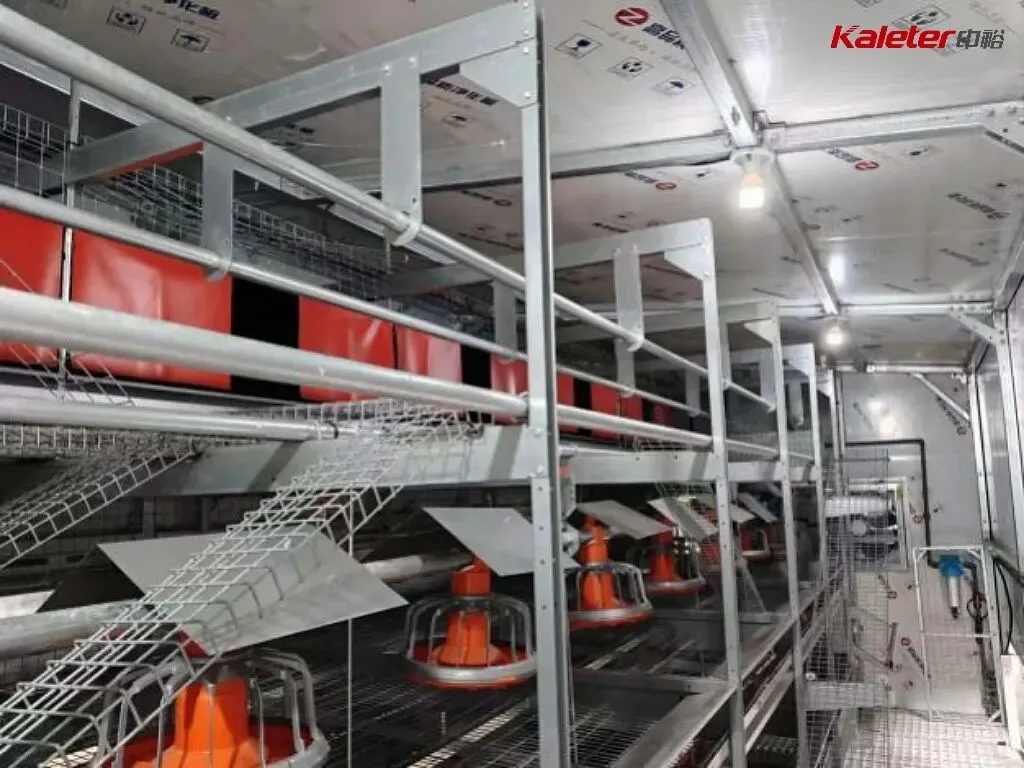
Corrosion-resistant throughout, with automatic feeding, egg collection, manure removal and climate control all fitted.
Wheels or fixed supports again, plus a solar photovoltaic storage system that stores around 19 kWh a day. Built for larger sites, and it holds 400 birds.
Choosing equipment built to a standard is what turns an idle courtyard or an unused field margin into something that can be run consistently and repeated somewhere else.