People often ask why the cable runs inside an automated poultry house are arranged so neatly. Is it only there to look tidy?
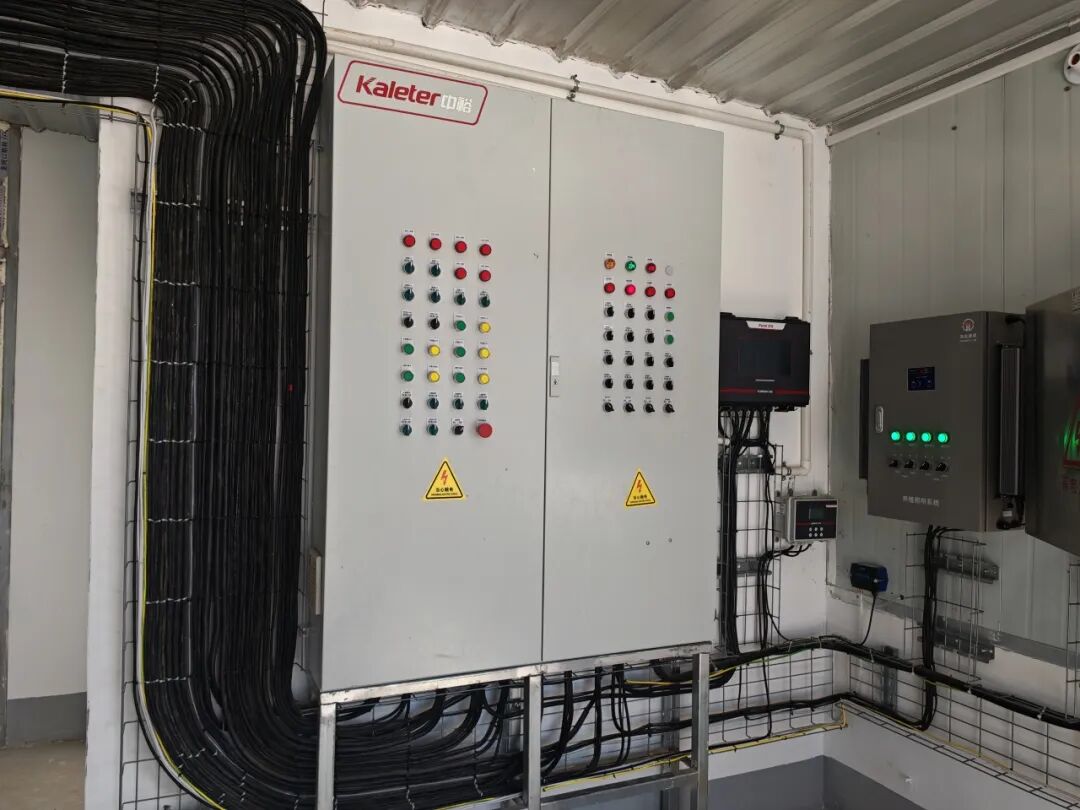
Tidy cable runs are easier to look at, but that is not the reason for them. Under general electrical safety codes and the standards written for agricultural premises, running fixed cable straight and grouping it by zone is not a cosmetic exercise. It is a basic requirement for stable, safe, low-fault production.
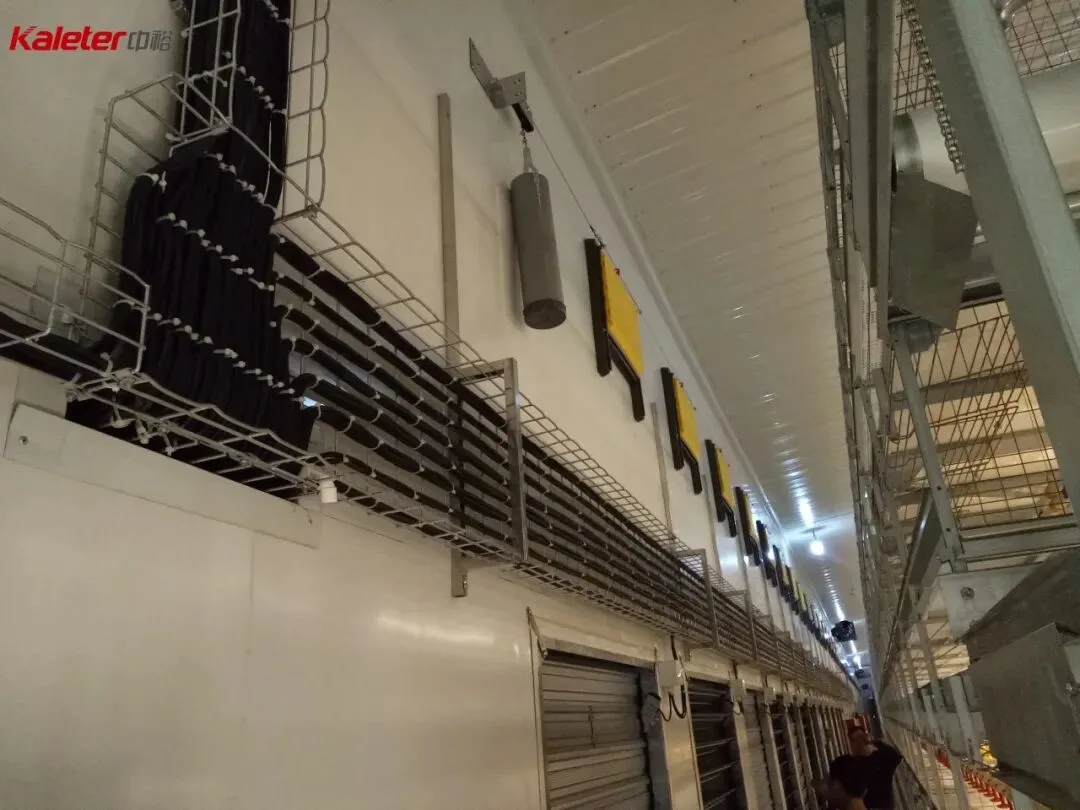
Faults get fixed faster
A sudden equipment failure is the thing a poultry operation fears most. If the fans, the cooling pads or the climate controller stop, house temperature goes out of balance within minutes. The air turns close and oxygen drops. The loss is immediate.
When the cable runs are ordered and clearly labelled, a technician can match a cable to its equipment at a glance and find the fault quickly. Repairs happen in the shortest possible time.
When cables are tangled and pulled in every direction, troubleshooting turns into guesswork. A small fault that takes too long to find becomes a real production loss.
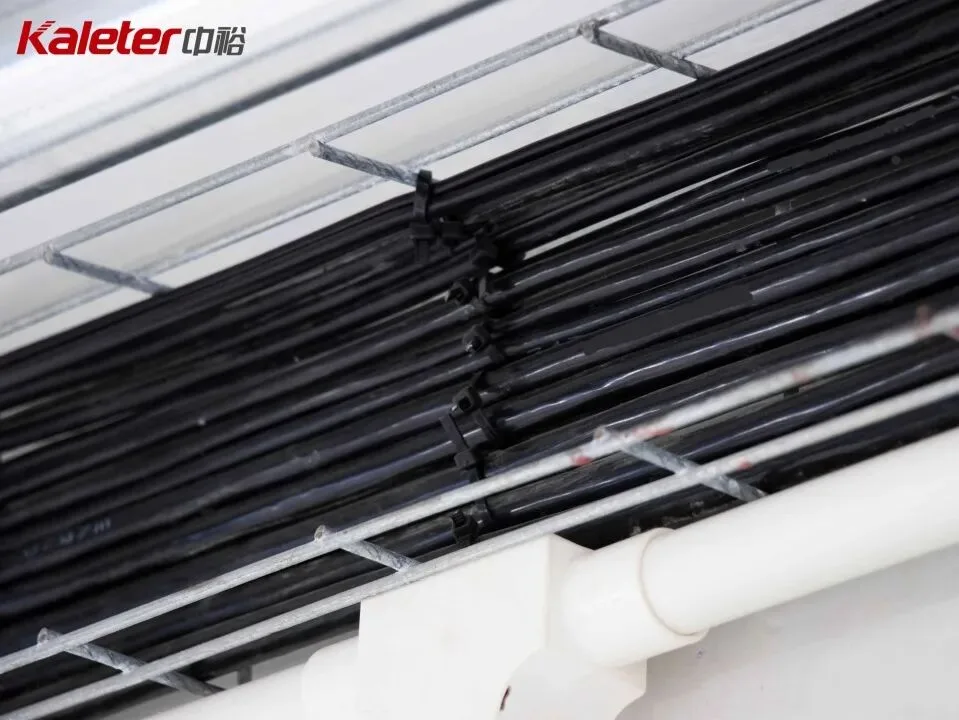
The electrical risk drops
A poultry house is a demanding place for cable. It is damp, it is dusty, and it does not shut down for the year.
Cable that is pulled around loosely, stacked or wound together rubs and gets crushed over time. The outer sheath ages and breaks down. That leads to leakage, short circuits, arcing and repeated breaker trips. In a bad case it starts a fire in the house.
Fixed cable that is bundled to one standard, run in layers and laid out to a plan keeps its insulation intact. It avoids abrasion, loose connections and heat build-up, which removes the hazard at the source.
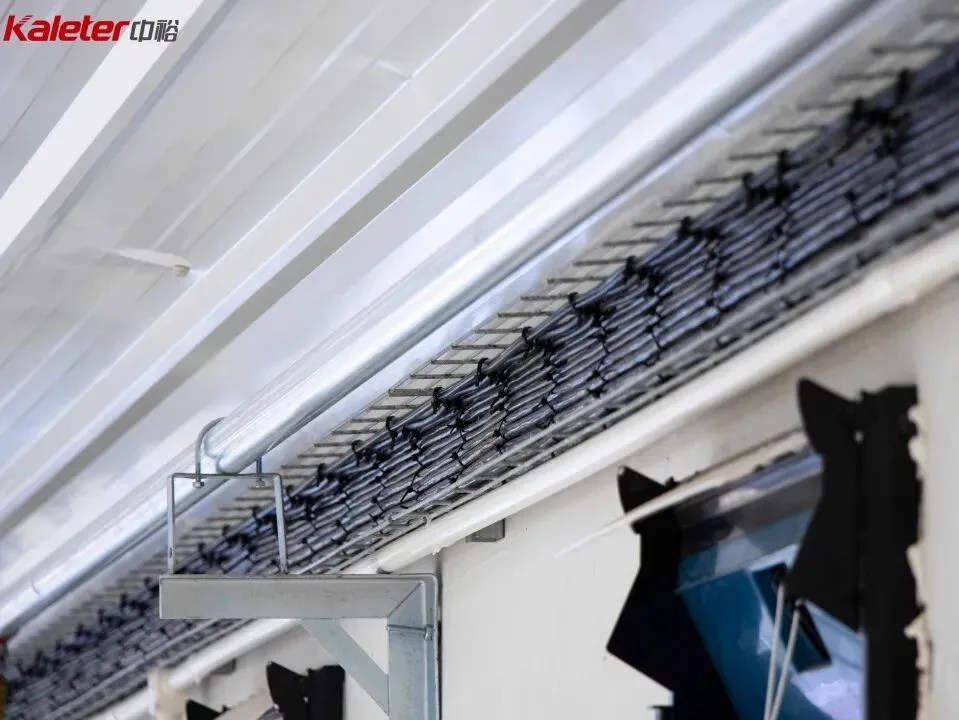
Upgrades and inspections are simpler
When the whole house is wired to a clear plan, with the zones separated and spare capacity left in the runs, a later upgrade does not mean stripping out and re-pulling large sections of cable. That saves time and labour, and it lowers the cost of both the retrofit and the routine maintenance around it.
Sensor data stays accurate
The temperature, humidity, ammonia and light sensors in an automated house are sensitive to electromagnetic interference, and so are variable-frequency fans.
Where high-voltage power cable and low-voltage sensor cable are wound together, the interference is severe. Readings drift, climate control behaves erratically, fans start and stop for no reason, and equipment fails intermittently.
Running the house to a plan, with power and signal cable separated, avoids that interference. The control system gets accurate data and runs predictably.
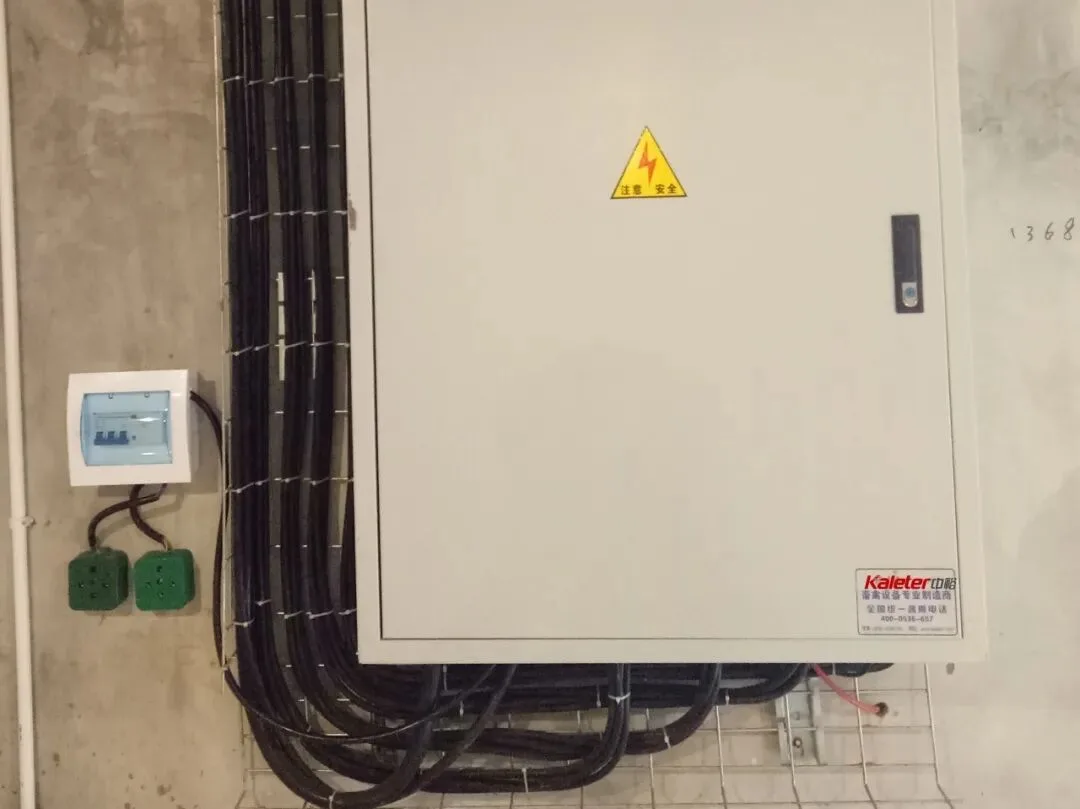
Neat cable in a poultry house is an electrical standard rather than a matter of appearance. In a humid, dusty building that runs all year, wiring to a plan means fewer faults, less risk, lower losses and steadier production. It is the most basic piece of hidden work behind a modern house, and one of the most important.