After Beginning of Autumn the weather turns noticeably cooler, usually with a spell of autumn rain. That does not mean the climate equipment in the house can stop working. Late heat comes back in bursts through the autumn. Some days are hot in the afternoon and then cool off quickly after dark, so conditions inside and outside the house start to swing hard. Those swings are why autumn problems tend to arrive together.

The first thing to keep in mind is that people and birds do not feel the same conditions the same way. Someone walking into the house finds it cool and comfortable and decides the fans can be switched off. For the birds it is different. Once the fans stop, the water vapour, ammonia and carbon dioxide from bird metabolism, litter fermentation and manure breakdown have nowhere to go. The thermometer can read normally while stale air and moisture build up quickly and the environment inside keeps getting worse.
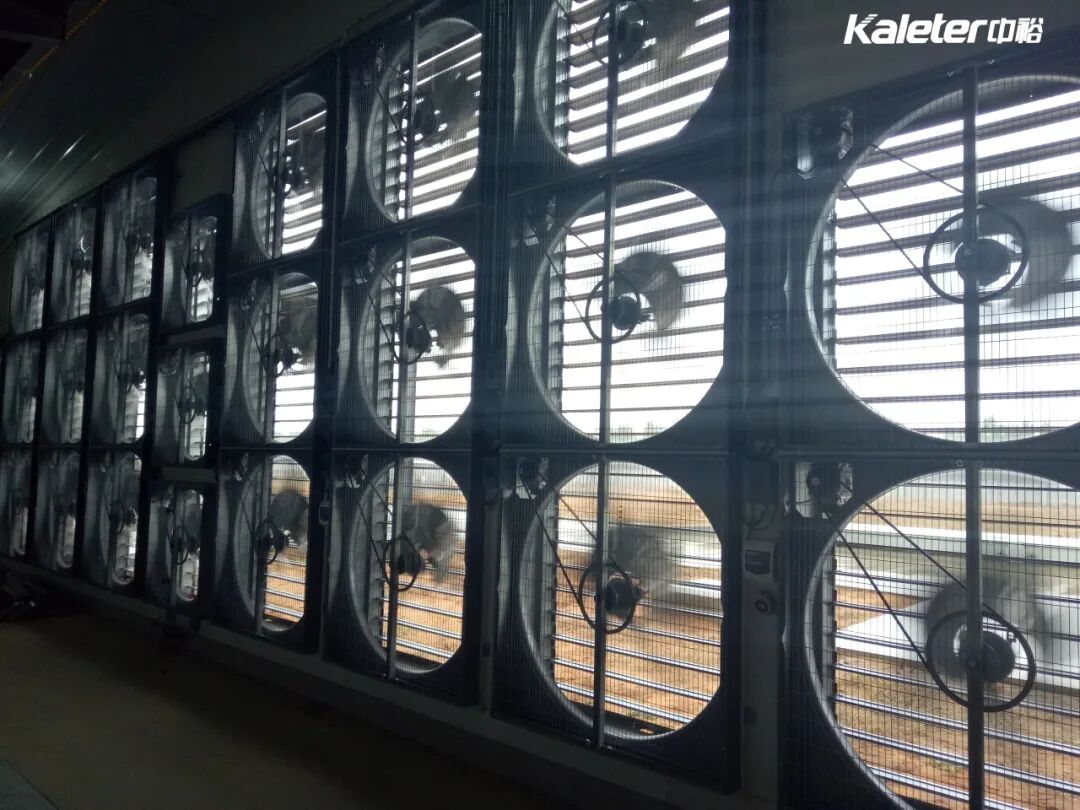
Ventilation output should not be set by how the house feels to a person. Work from the actual temperature and humidity inside, the growth stage of the flock, and the current gas levels, and change the rate in steps. Even when the outside temperature falls in the second half of the night, the basic air exchange rate stays on. The air in the house has to keep turning over.
During the day, when it is still warm outside, the priority is getting heat out. Through the hottest part of the afternoon the cooling pad system can run with the fans to pull accumulated heat out of the building and keep the flock clear of heat stress.
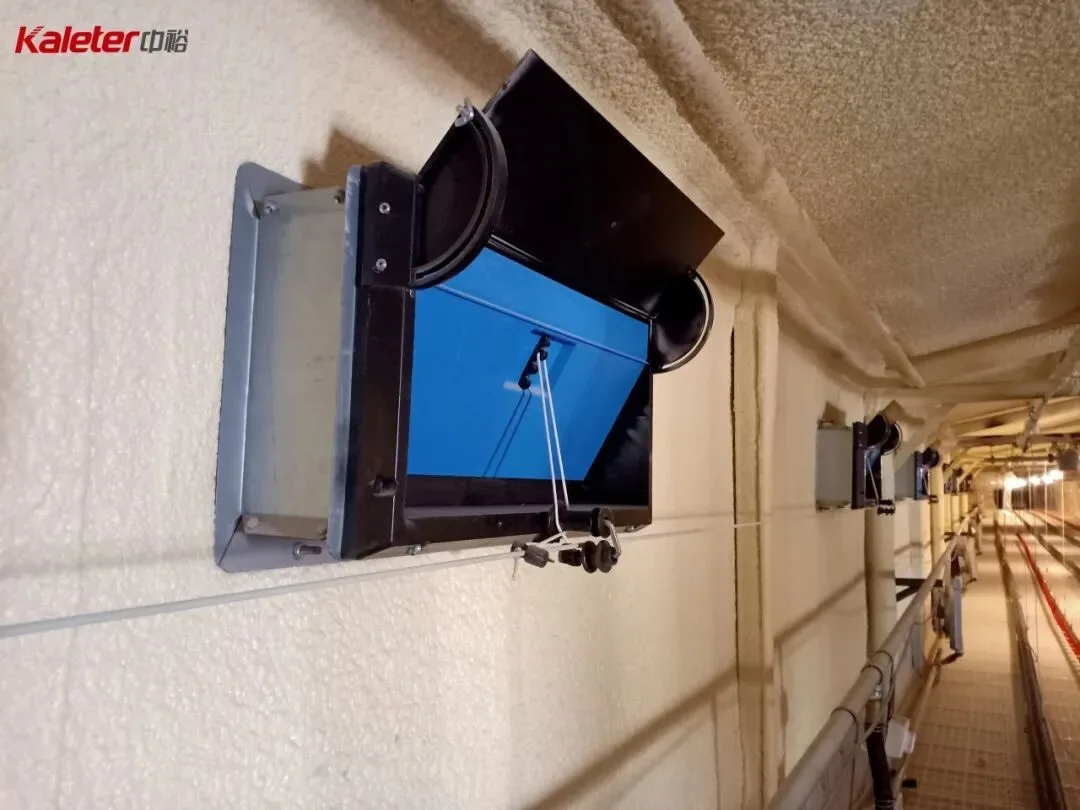
After dark the priority moves. Air still has to be replaced, but the job now is keeping cold air off the birds. Set the inlet windows so incoming cold air mixes with the warm air in the upper part of the house first, then settles slowly rather than dropping straight onto the flock.
Through the change from summer to autumn, house climate control is no longer about holding the lowest temperature you can. Keeping the swing as small as possible is the real task.
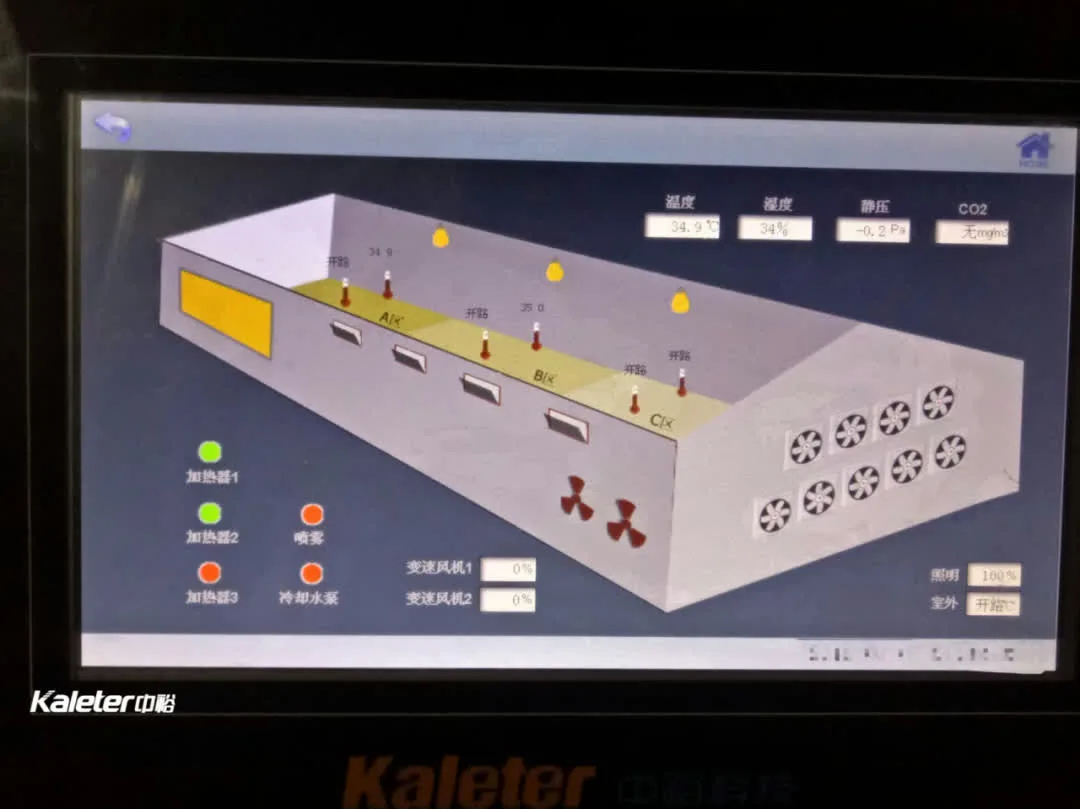
The Kaleter climate controller reads temperature and humidity at several points, so it picks up the differences between zones in the same house. It works the fans, cooling pads and inlet windows together and holds a proper minimum ventilation rate, which avoids the environmental shock that comes from equipment starting and stopping repeatedly. Through warm afternoons it clears heat efficiently. When the temperature drops at night it adjusts the balance between intake and extraction on its own, which softens the stress the day-to-night swing puts on the flock. Steadier conditions through the change of season mean less disease risk, healthier birds and a better return.