Eating raw eggs is a favorite among many food lovers: silky soft-boiled eggs, savory raw egg over rice, every bite full of natural flavor. But many people have long wondered why some eggs can be eaten raw while ordinary eggs cannot.
The answer is simple. Not every egg meets the bar for "safe to eat raw." What is commonly called a sterile egg is really a high quality egg that has passed strict controls through the entire process, with zero detection of pathogens like salmonella. Its safety never comes from simply washing the shell. It starts with the hen's living environment, with every step held to a strict standard.
How Japan and Korea Grade Eggs for Safety
In Japan and Korea, eggs safe to eat raw are no longer a niche choice. They are backed by a complete grading standard that makes that safety concrete and checkable.
Japan's Ministry of Agriculture, Forestry and Fisheries set a national egg grading system, marked with a GP label. It sorts eggs into three grades based mainly on albumen thickness, yolk condition, and whether blood spots or other defects are present.
- Grade B (special grade): the highest grade. The yolk is full and holds its shape, and the albumen is thick and does not spread. Reserved for raw eating, and the first choice for soft-boiled eggs or raw egg over rice.
- Grade M (medium grade): the most common grade for everyday use, suited to scrambled eggs, egg drop soup, and other cooked dishes. Not recommended raw.
- Grade S (standard grade): affordably priced, suited to baking, pickling, and other uses where appearance does not matter much. Raw eating is not allowed.
Korea sorts eggs into four grades, A through D, based on the clarity of the egg content, freshness, and presence of impurities.
- Grade A: no blood spots, no foreign matter, very fresh. Safe to eat raw.
- Grade B: trace impurities. Cooking required.
- Grade C/D: more impurities. Not allowed as table eggs, used for processing only.
The pattern is clear. What makes the Japanese and Korean standards work is never disinfection after the fact. It is controlling bacteria at the source. When hens live in clean conditions and eat well, the eggs are naturally safe. That is the core logic behind welfare farming.
Good Eggs Start with How the Hens Are Raised
Many people assume egg safety comes down to processing after the fact. Kaleter sees it differently: a good egg is the product of a hen that lives well. We have worked in welfare farming for layer hens for years, and started moving into cage-free technology as early as 2016, so that every hen can grow naturally and produce high quality eggs from the start.
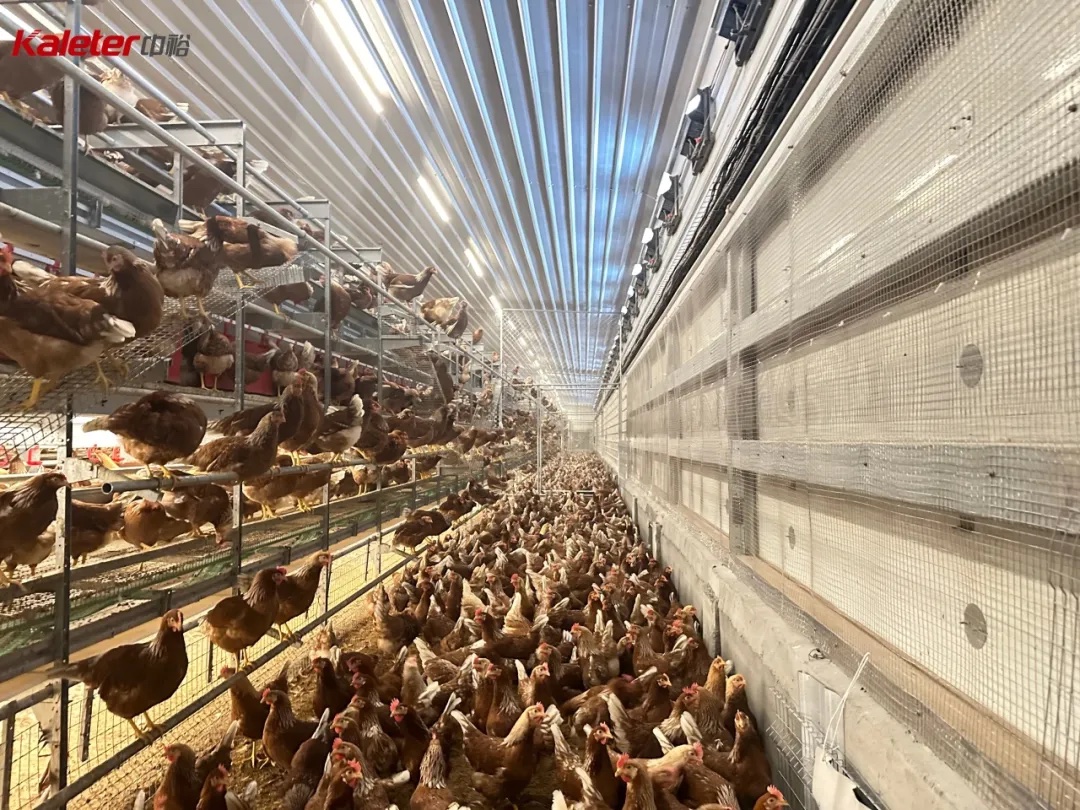
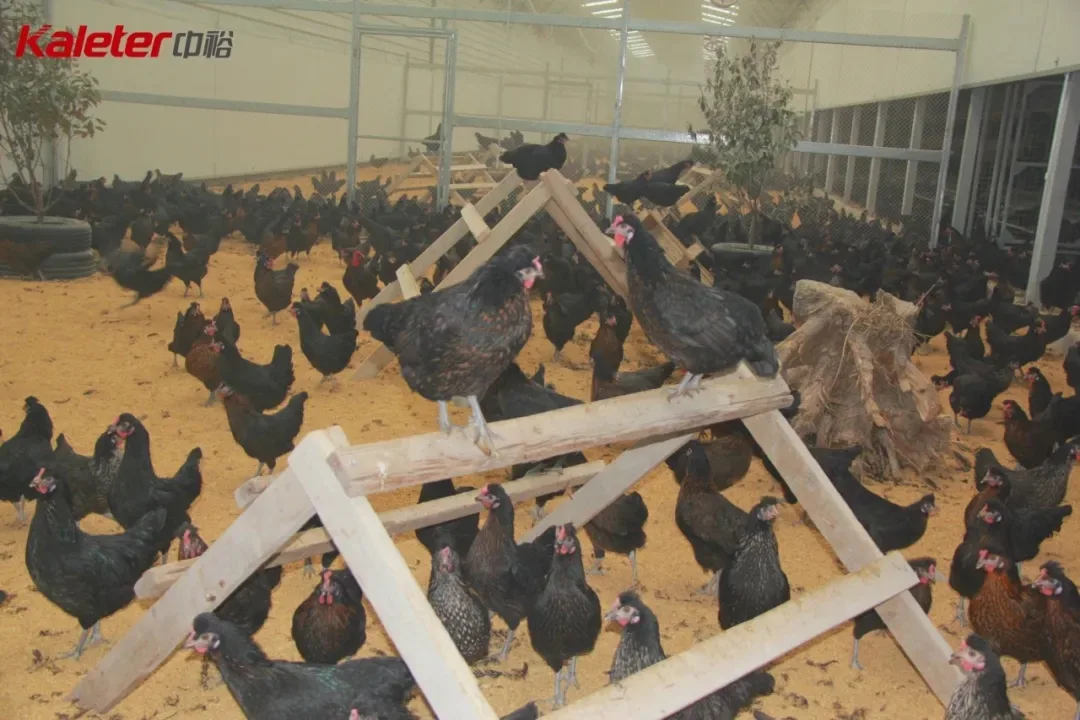
The quality of an egg reflects the condition the hen lives in, and the intentions of the farm behind it.
Not every egg can meet the standard for raw eating, and not every farm holds to the principles of welfare farming. Kaleter builds on welfare farming as its foundation and strict standards as its baseline, so that every egg is safe, fresh, and raised with care.