Why do modern large-nest laying boxes need privacy curtains? The reason is the hen's own instincts, and working with them rather than against them.
An instinct older than the cage
Today's laying hens descend from wild junglefowl, and despite generations of domestication, they still carry that ancestral instinct: seek a secluded, dark, enclosed corner to lay in, safe from predators and other birds. In a wide-open, brightly lit laying box, that instinct goes unmet, and the result is stress, refusal to lay, irregular laying, and egg pecking.
What the curtain actually fixes
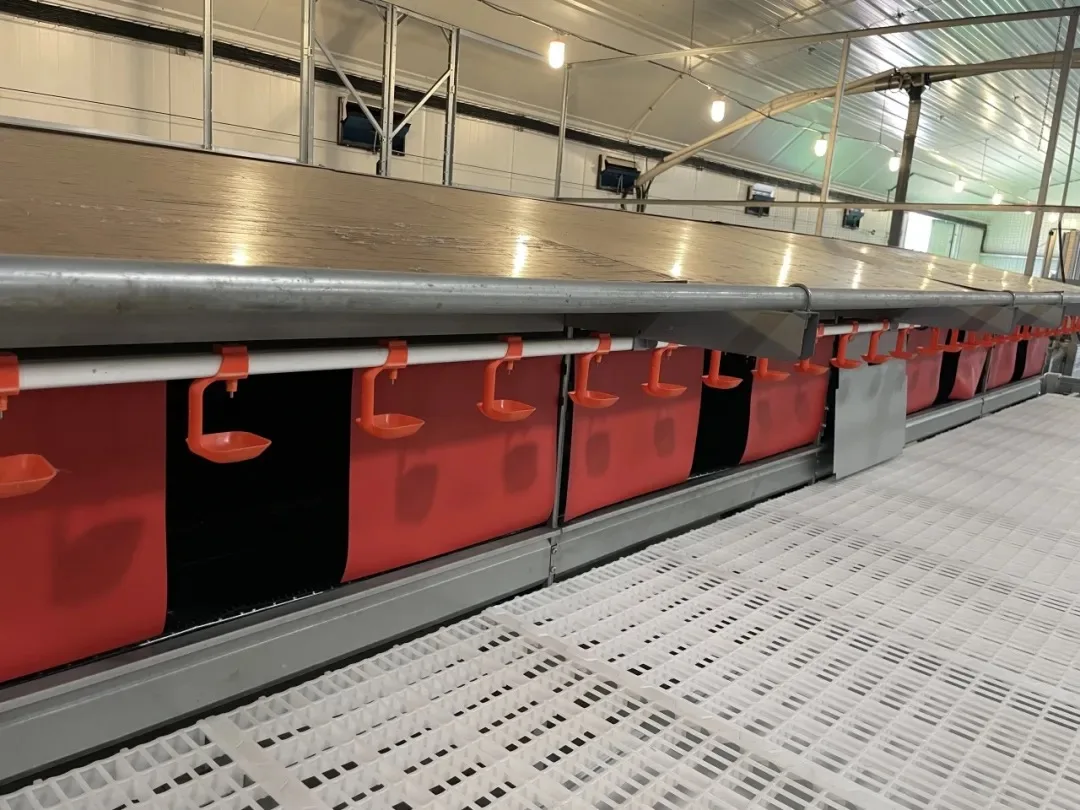
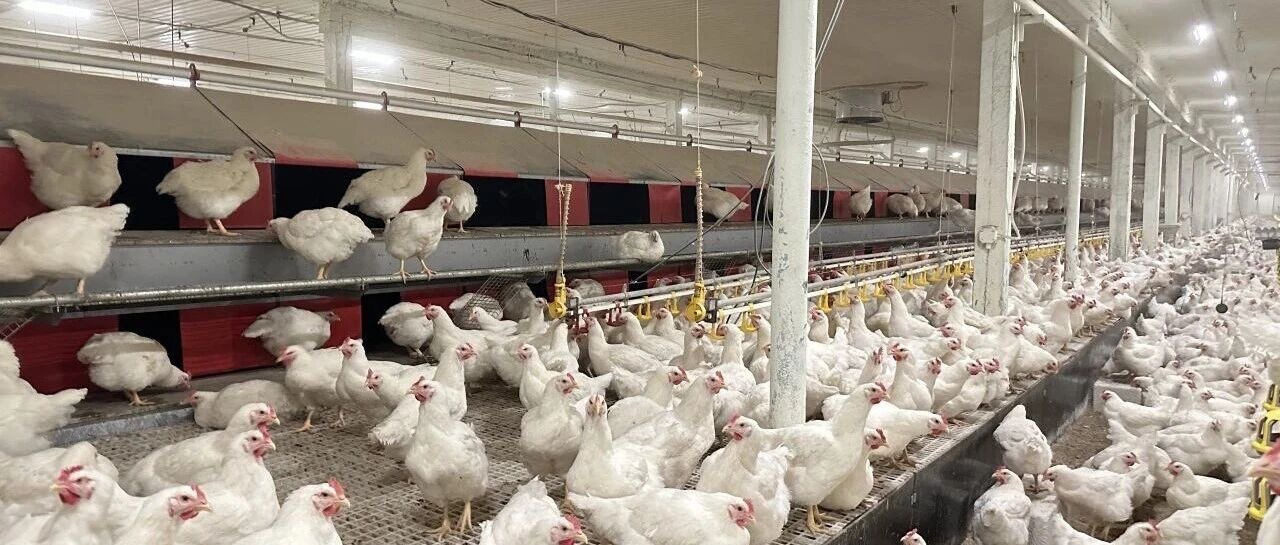
A curtain gives each hen a private, enclosed laying space. That alone cuts down on eggs laid outside the nest, dirty eggs, and broken eggs, along with the manual labor of collecting and cleaning up after them. It also blocks visual interference from neighboring hens, curbing shell-pecking and egg-eating, and keeps hens from roosting overnight in the box, which keeps eggs and bedding free of contamination.
Beyond behavior, the curtain's light- and temperature-buffering effect stabilizes the laying box's microclimate, supporting normal egg-laying hormone cycles and reducing stress from noise, foot traffic, and light changes. It also physically isolates hens from each other, preventing broody behavior from spreading through the flock and keeping the whole house's lay rate steady.
Why Kaleter uses red
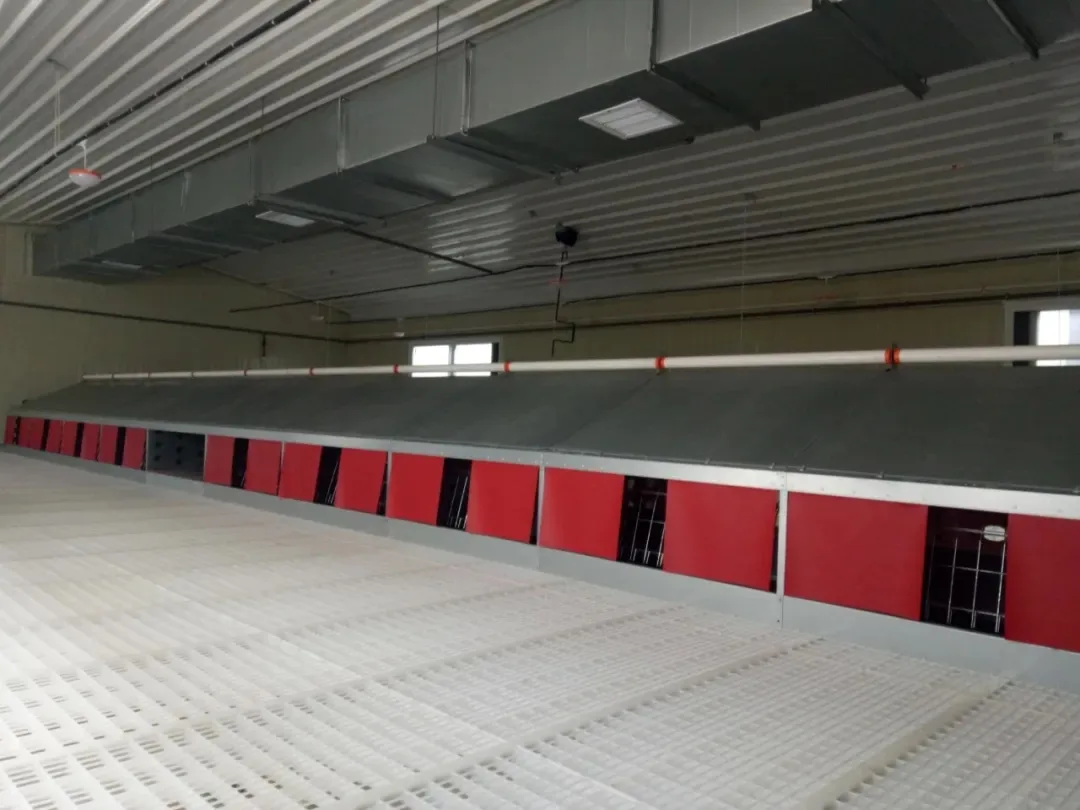
Kaleter standardizes on red privacy curtains for cage-to-welfare and cage-free 3D laying systems for three reasons: it has a calming effect on agitated flocks, it strongly discourages pecking, and its high-density weave gives maximum shading, closely matching the dark, secure space hens look for naturally.
It's a small, low-cost component that solves a surprising number of farming headaches at once.