Feeding equipment is central to how efficiently a breeder farm runs. Here's a full breakdown of Kaleter's hen chain feeding line: how it works, how it installs, and the design details that keep it running for years.
How the feed line works
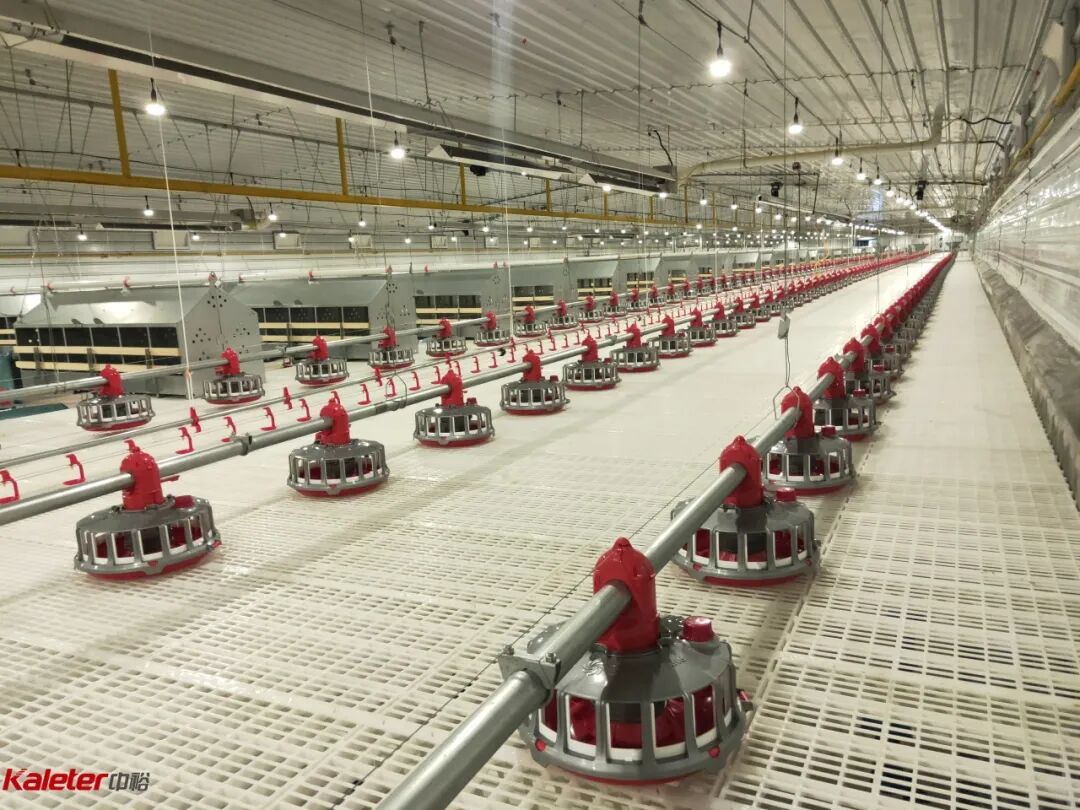
A power head drives a chain that circulates continuously through the feed trough, spreading feed evenly along its full length as it moves. As long as the system is running, the trough always has enough feed for hens to lower their heads and eat at any time. That improves feeding uniformity and cuts down on the scrambling and competition that comes with under-feeding.
Three ways to install it
The chain feeding line installs three ways, fitted to whatever house structure it's going into:
Bracket-mounted. Fully supported on brackets along its length, holding the trough stable off the floor.
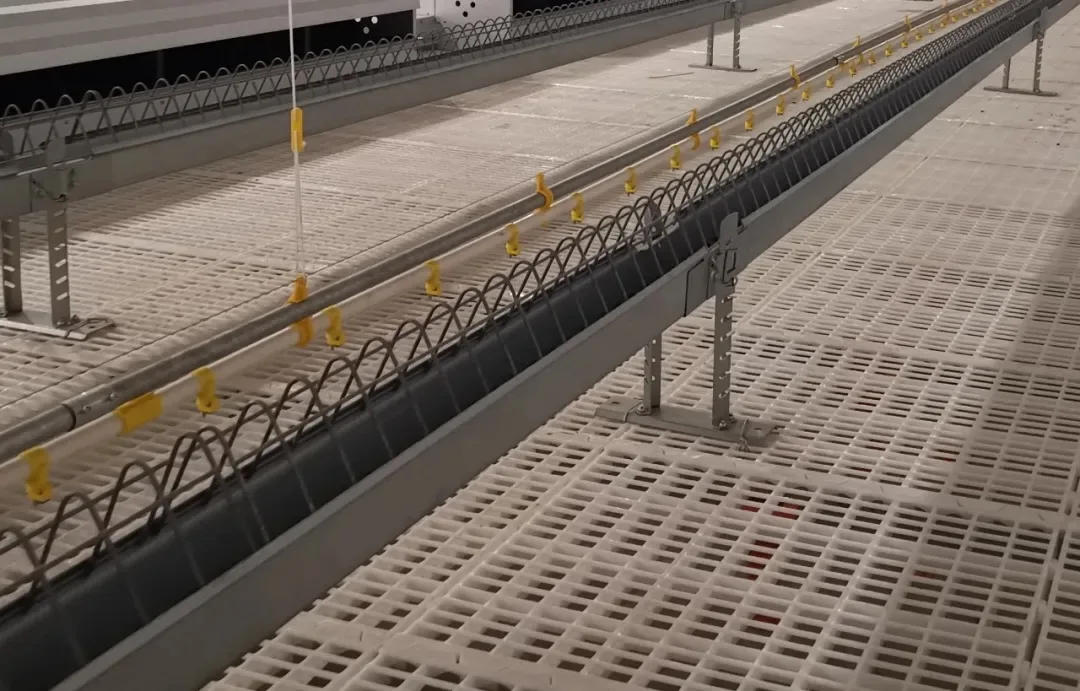
Flat-laid. No brackets except at the corner wheels, for the simplest possible layout.
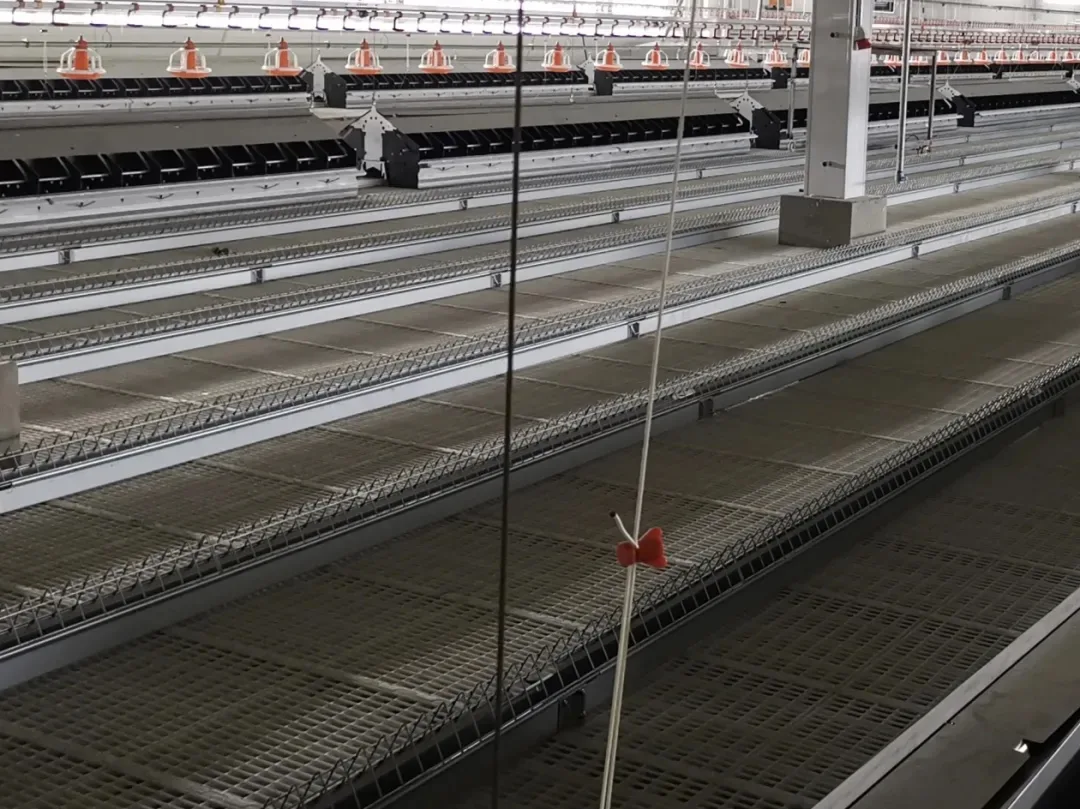
Suspended. No floor brackets at all; the whole line hangs from a dedicated overhead suspension system.
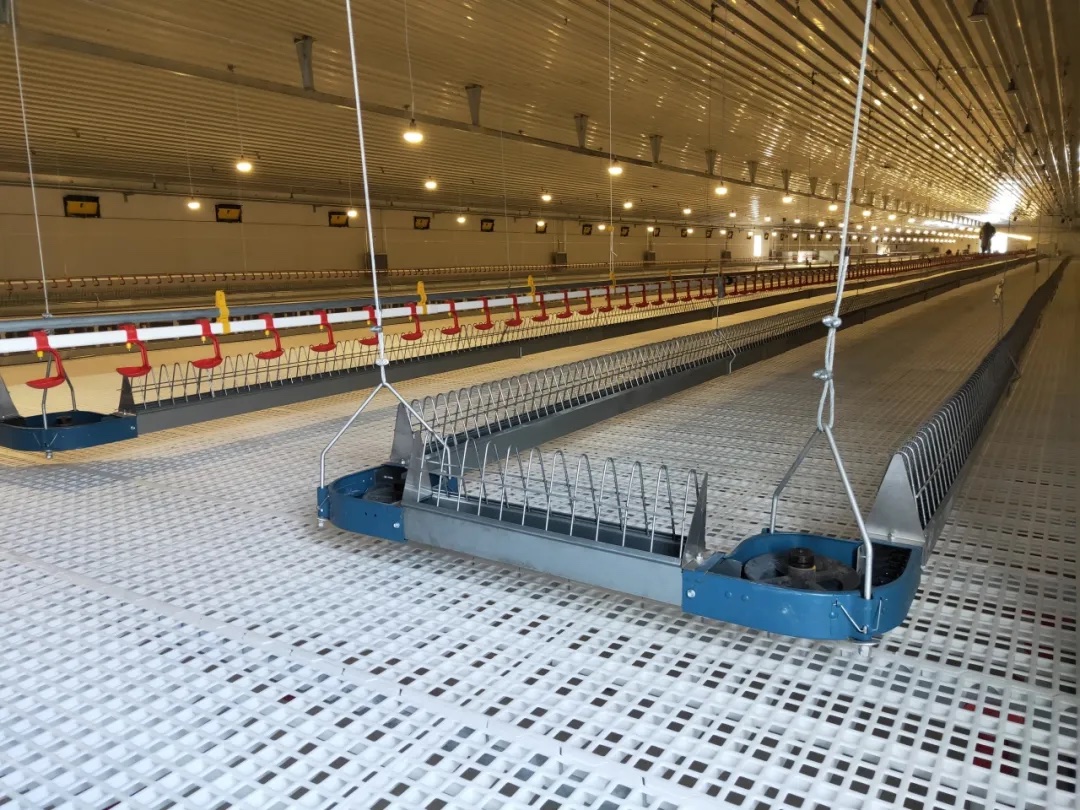
Built to last
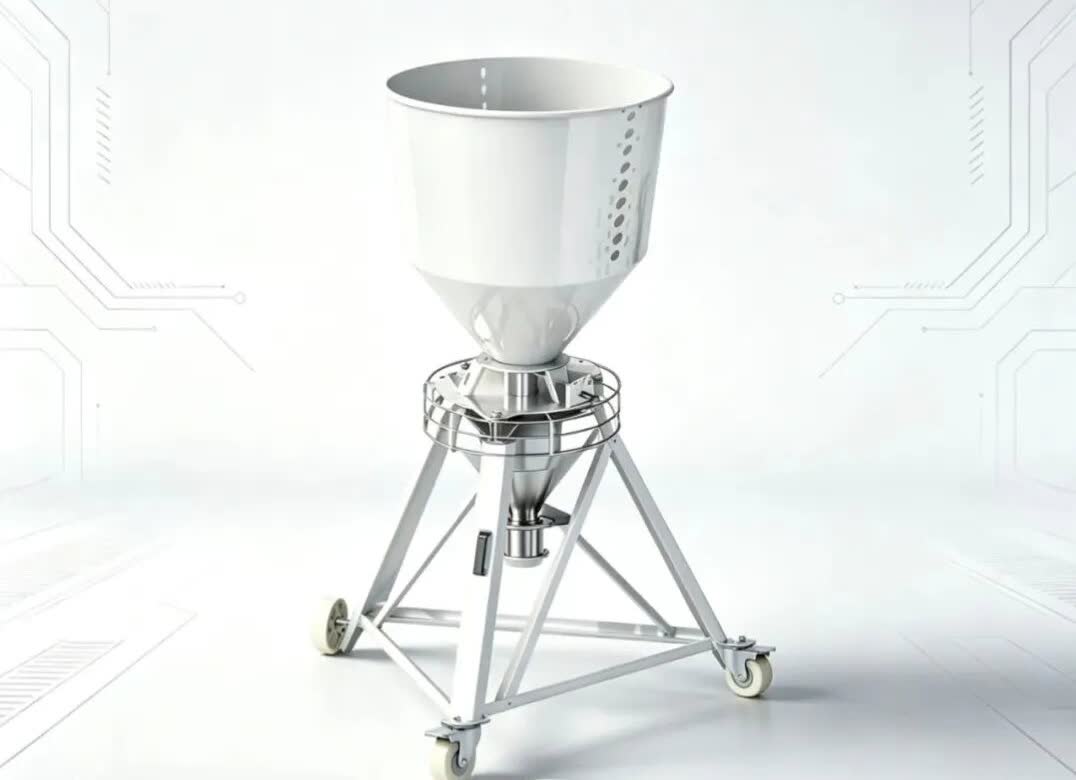
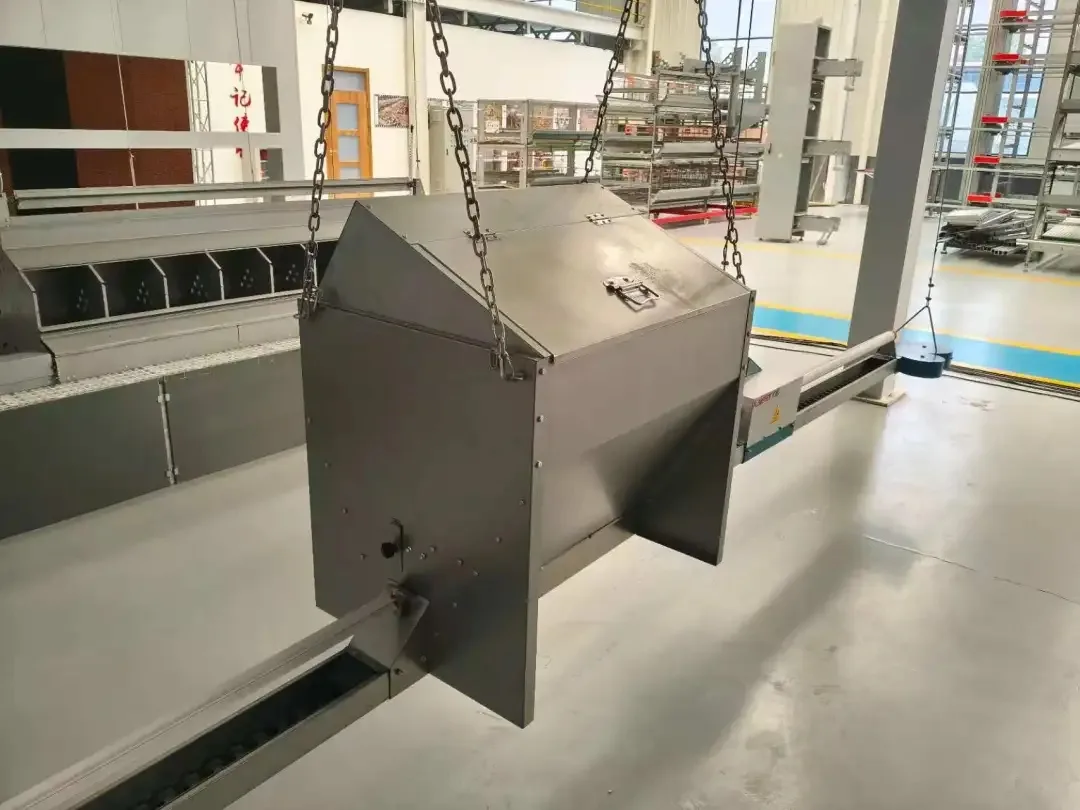
The feed box. The storage reservoir is fully bolted (no welding) from 1.5mm galvanized aluminum-magnesium sheet with 275g zinc coating, so it holds up in a poultry house's humid air. A built-in return wheel stops feed from bridging and clumping, and a graduated adjustment plate lets you dial in exactly how much feed comes out for each growth stage.
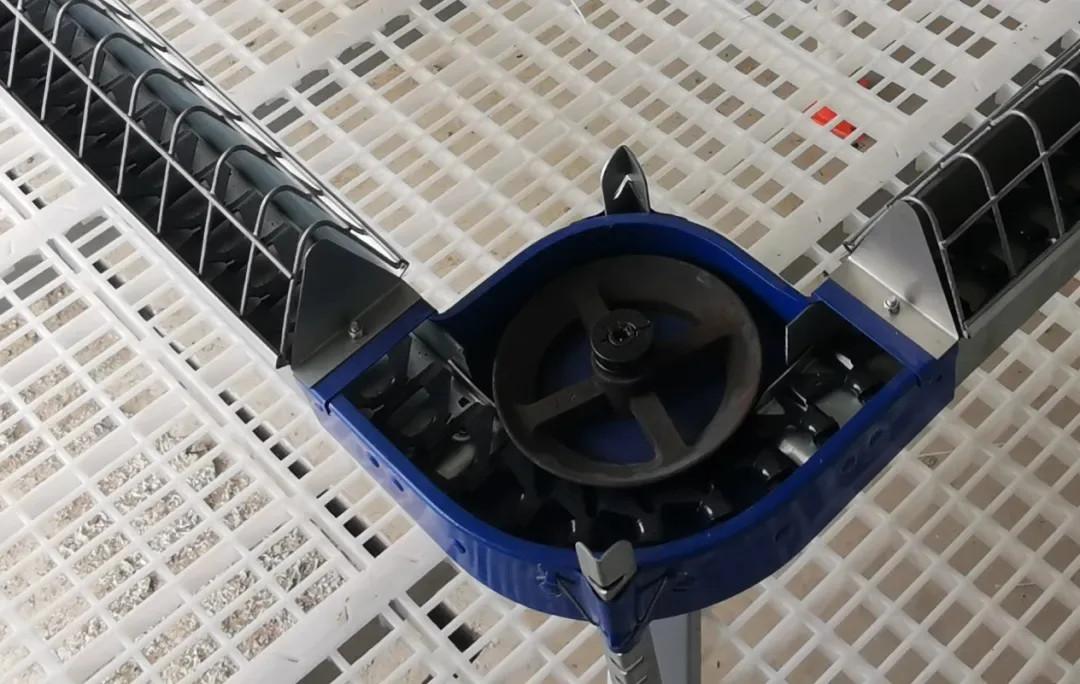
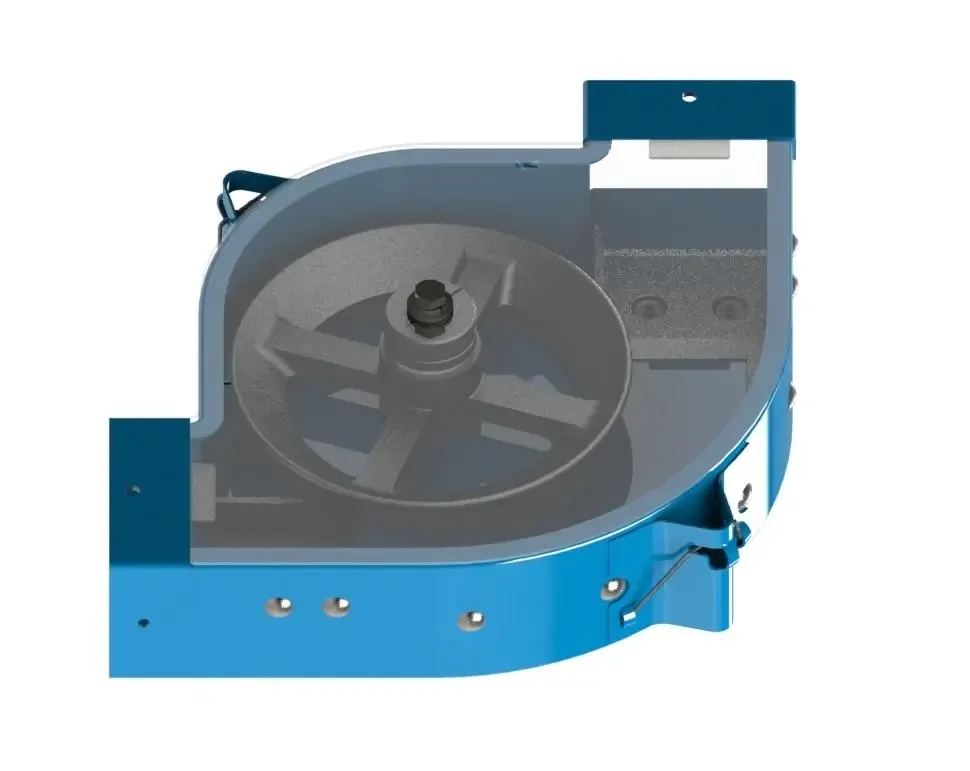
The corner wheel. Every turn in the line runs through a corner wheel built from 45# cast steel hardened to HRC50-52, on a bearing-steel shaft hardened to HRC58-60 with a lubrication-free graphite-bronze bushing. It shows low wear even under sustained high-speed running, with little maintenance and a long service life.
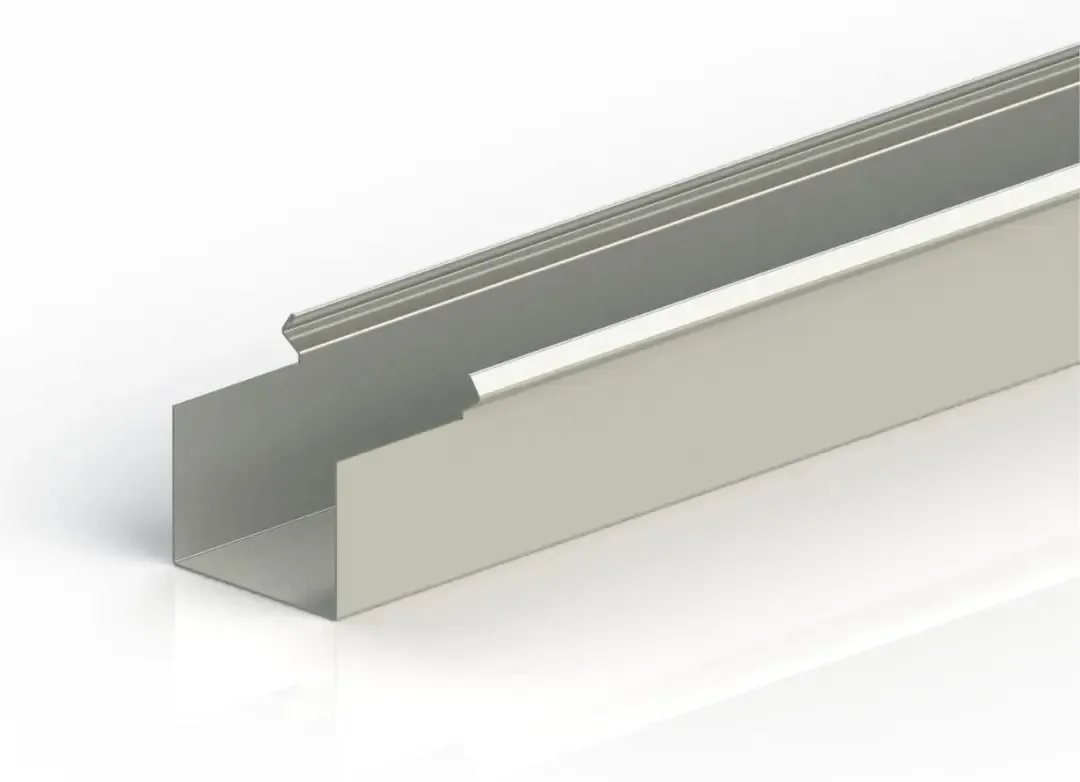
The trough. Connectors come in bracket, flat-laid, and suspended versions to match all three installs, and the trough's edges are rolled smooth and round so hens don't catch their necks reaching in to feed.
Keeping roosters out of the hens' feed
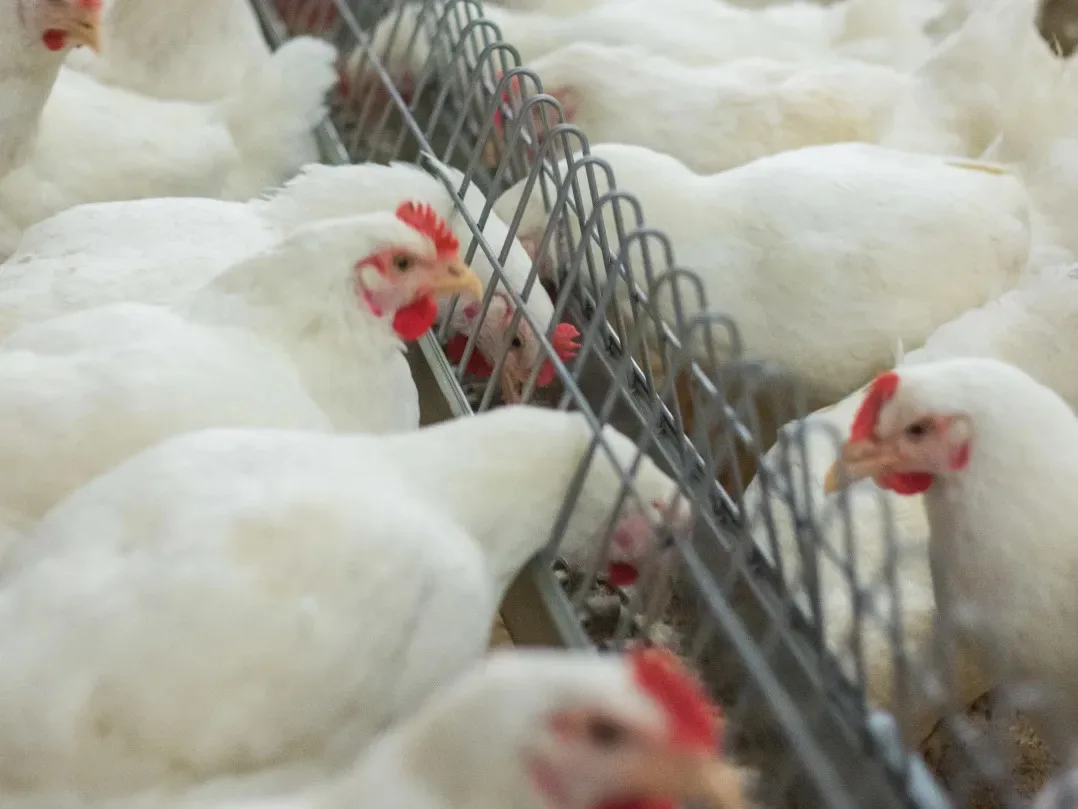
Breeder flocks raise males and females together, and roosters (bigger and more aggressive feeders) can crowd hens out of their own feed and hurt egg-laying performance. Kaleter's chain feeding line solves this with a built-in restriction grille sized to a hen's head: roosters simply can't fit through to reach the trough, so the feed stays where it's meant to go.
From storage and delivery to feeding protection and male/female separation, every part of this system is built around what a breeder farm actually needs day to day. Reach out if you'd like it scoped to your house.