Environmental compliance for manure handling just became a hard requirement rather than a recommendation. China's new Ecological Environment Code, passed in March 2026 and taking effect this August, reclassifies manure treatment from an encouraged best practice into a legal obligation for every livestock operation: full traceability from generation to disposal, mandatory treatment facilities, and real penalties for non-compliance. Operations without a working, standards-meeting system are now operating illegally, full stop.
It's a useful reminder for producers everywhere: regulatory tolerance for ad hoc manure handling is shrinking, not growing. Wherever you operate, the equipment behind your manure program is increasingly part of your compliance posture rather than your housekeeping.
Built for the standard the rule is asking for
Kaleter's high-temperature manure fermentation tank was engineered around exactly this kind of requirement, and it's already running across a large number of working farms.
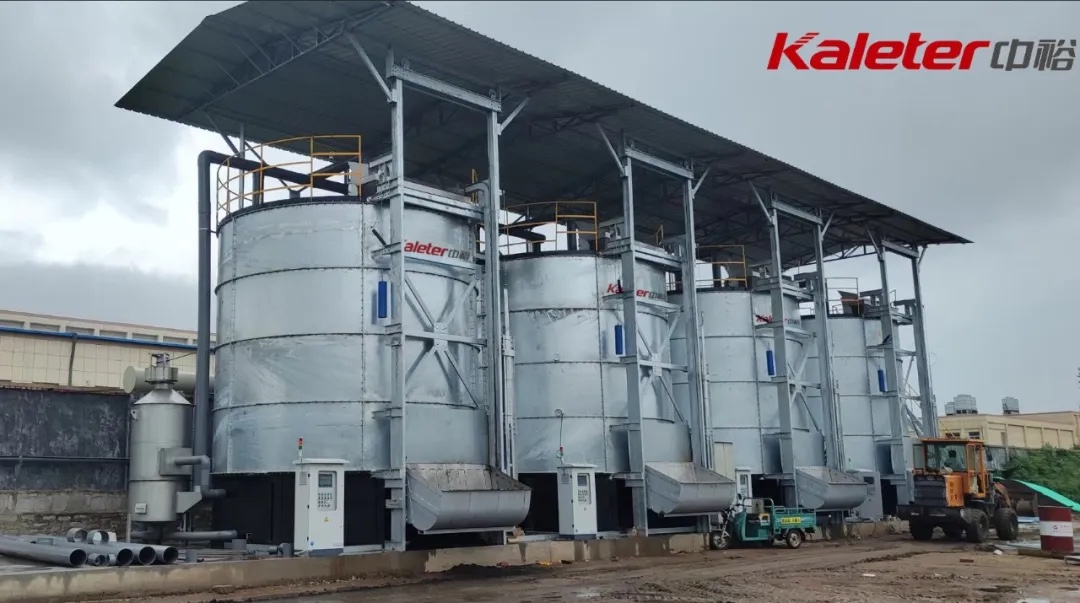
Fully sealed tank body. The complete fermentation cycle runs inside a sealed vessel, containing fermentation gases instead of releasing them, which removes the odor and air-quality complaints that trigger environmental penalties.
Double-layer insulation. Fermentation continues at a steady rate through winter cold and summer humidity alike, so output doesn't stall or slow with the seasons.
304 stainless-steel interior. The surfaces in contact with manure resist acid and corrosion, holding up over years of continuous use with far less repair and replacement cost.
Vertical, stacked footprint. Instead of the sprawling layout traditional fermentation setups need, the tank's vertical design fits sites with limited available land, with no extra construction required.
Full decomposition, no second pass. After a complete high-temperature cycle, moisture content drops below 30%; the output is finished organic fertilizer, ready for the field without a separate composting step.
Continuous feed-in and discharge. The tank accepts daily scheduled loading and unloading rather than running in batches, matching the pace at which an active farm actually produces manure.
Flexible across farm sizes. A standard 15-day fermentation cycle and flexible configurations mean the same equipment line covers individual farms handling their own waste as well as dedicated organic-fertilizer operations running at scale.
Reach out if you'd like to talk through how a compliant manure-treatment line would fit your site.