An extended run of extreme heat is dealing a devastating blow to poultry farming across France.
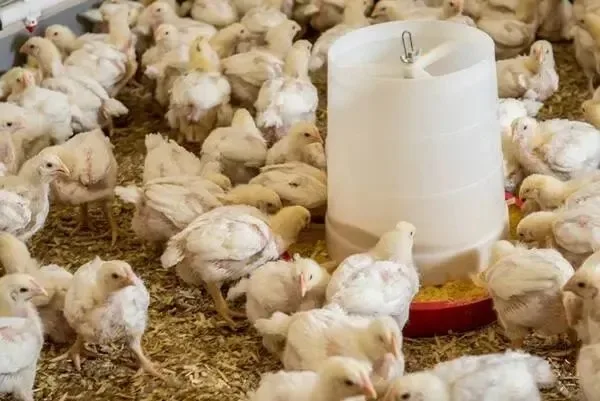
According to industry reports from June 24, farms across multiple regions of France have been hit by a rare, severe heat event, with hundreds of thousands of birds dead from heat exposure. The volume of carcasses has overwhelmed local collection and disposal services so completely that French authorities have had to authorize an emergency measure rarely used at this scale: on-site burial at farms in the country's two core poultry-producing regions, just to relieve the backlog.
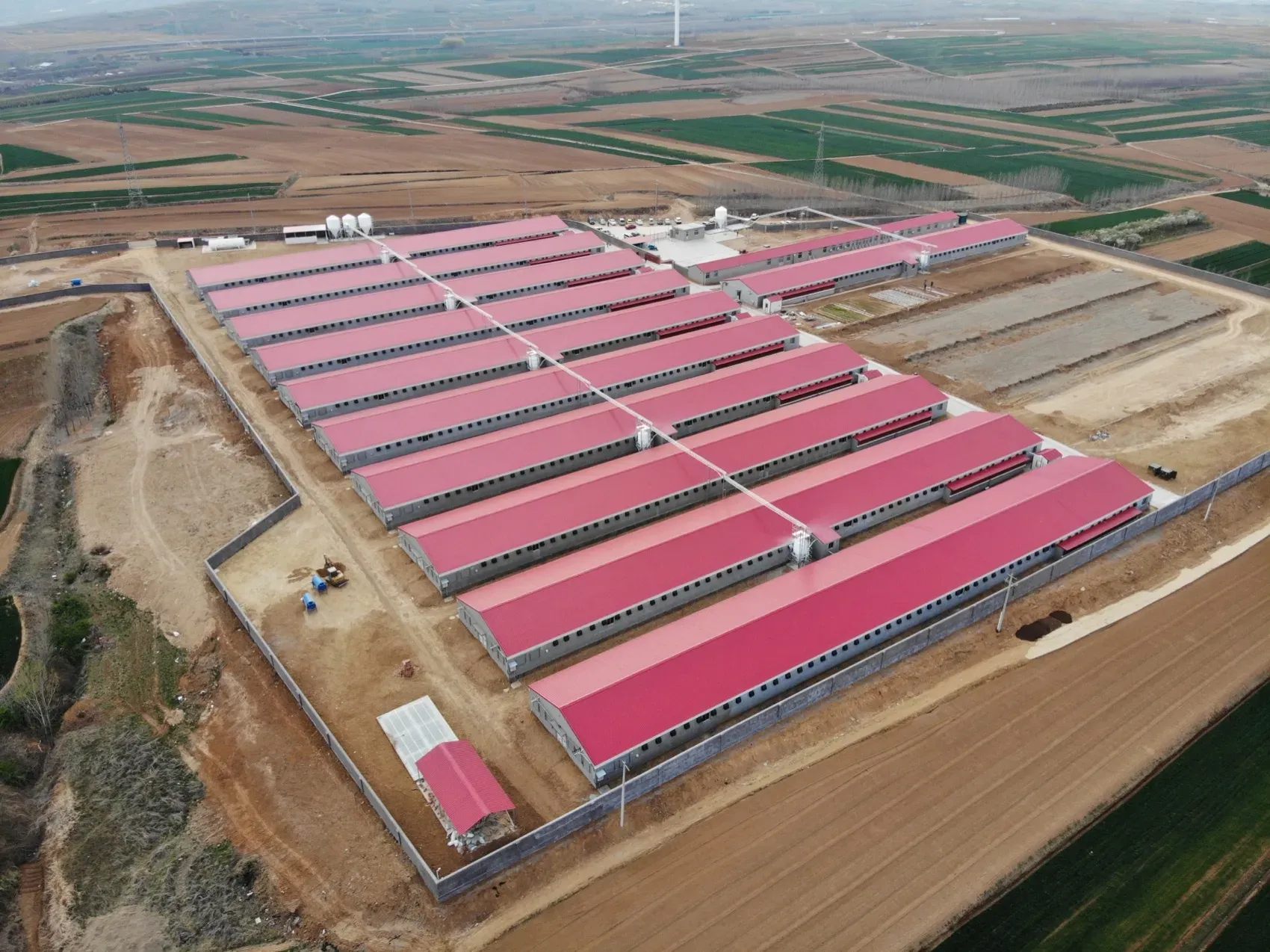
France is the EU's third-largest poultry producer, trailing only Poland and Spain. Two regions carry most of that production. Brittany and the Loire Valley together account for nearly 60% of the country's total flock. Those are exactly the regions this heat wave has hit hardest. Agricultural chambers across the affected areas have issued emergency warnings as farms report mass, abnormal die-offs, with losses still climbing.
"This year's death rate makes no sense. It is completely outside any normal range," said Clément Blanchard, a 32-year-old chicken farmer in the Loire Valley region. In a typical hot season, he says, his flock loses one or two birds a day at most, a manageable and predictable risk. Under this heat wave, his farm lost nearly 700 birds in just a few days.
Yann Nédélec, head of the French poultry industry association, confirmed the scale of the damage. By his early estimate, indoor and outdoor farms combined have already lost birds in the hundreds of thousands, and with the toll still rising, a precise damage figure isn't possible yet.
The problem is control, not the heat alone
The core issue this crisis exposes is a simple one: conventional farming setups don't have the environmental control to respond fast enough. A house that can't quickly adjust temperature, ventilation, and humidity when a heat wave hits ends up with mass heat stress and heat death. Beyond the direct losses, that creates a cascade of disease-control and disposal problems afterward.
As extreme weather events grow more frequent, poultry farming can no longer afford to just hope the weather cooperates. At commercial scale, automated climate control is what removes heat risk at the source.
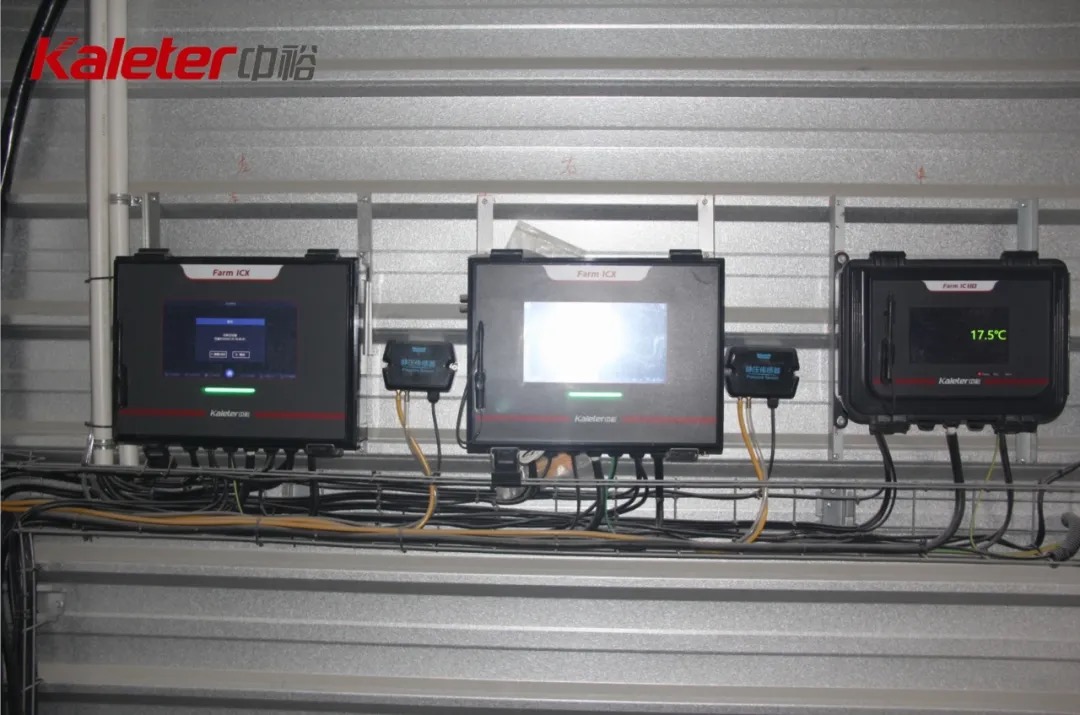
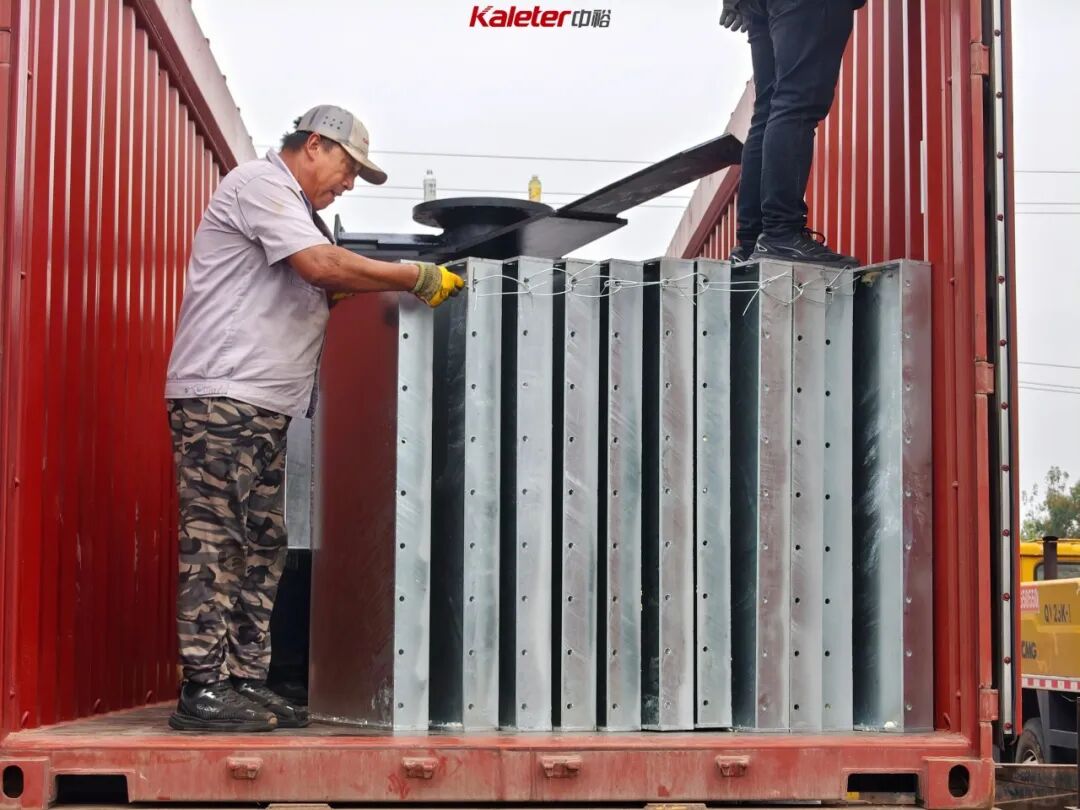
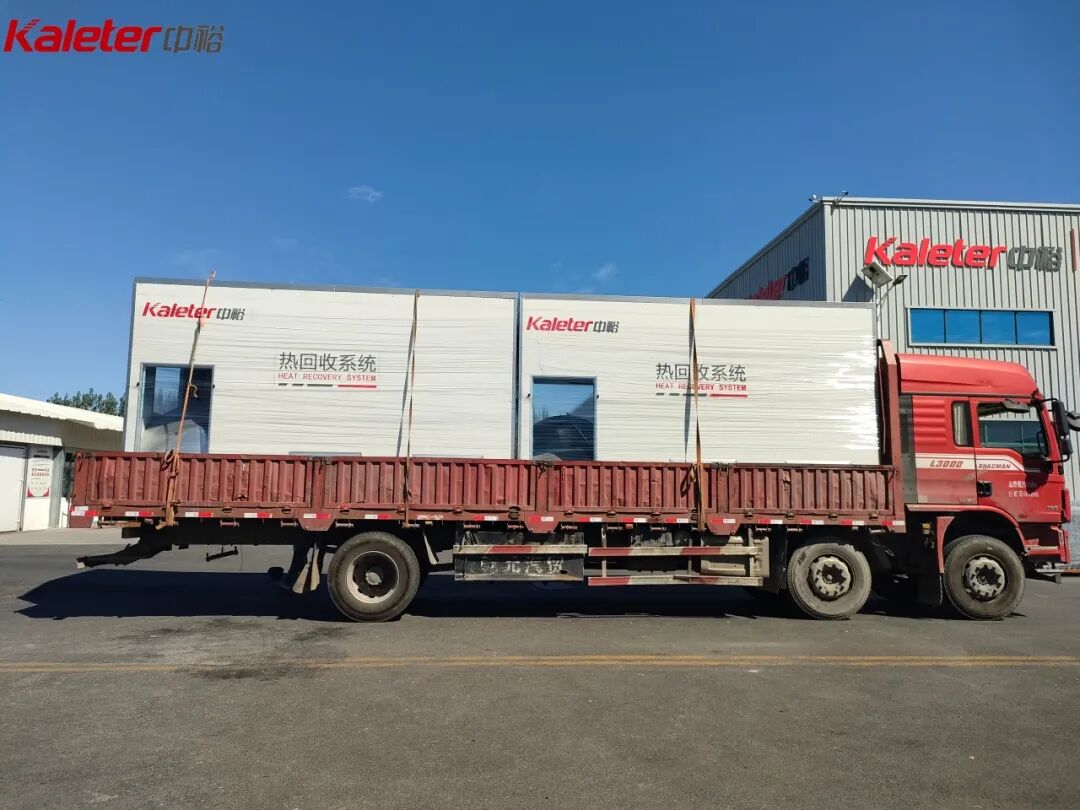
Kaleter's environmental control system is purpose-built for livestock housing. It monitors temperature, humidity, and air quality inside the house around the clock, and runs ventilation, cooling, and air exchange equipment on full automatic control, tuned precisely to what the house needs in the moment.
When summer heat spikes, the system responds fast, holding the house at a precise, stable target temperature, addressing heat stress, heat stroke, and mass mortality at the root, and substantially cutting heat-related death rates. It also keeps the air inside the house cleaner, reducing bacterial buildup and disease risk, which stabilizes survival rates and protects the bottom line. No farm should have to absorb a total loss over weather it saw coming but couldn't respond to.